


Whether you're buying for a crafter, artist, or someone seeking stress relief through making, craft kits deliver a complete experience with supplies, instructions, and a finished gift-worthy result. From paint-by-numbers to resin projects, these kits suit every skill level and budget.
What we recommend




What's Hot in Craft Kits This Season
Craft kit popularity in 2026 centers on wellness and accessibility. Resin art, paint-by-numbers, and rhinestone embellishment have all emerged as trending categories because they require minimal setup, zero prior experience, and deliver professional-looking results. These kits appeal especially to adults seeking meditative, stress-reducing activities. The shift toward 'crafting as self-care' means 2026 kits now market their mental health benefits explicitly—many include guided elements or are positioned as flow-state experiences. Additionally, sustainable and upcycled crafting is gaining traction, alongside bold, colorful dopamine décor projects. Paint-by-numbers remains the category leader for gift-givers because it combines a relaxing activity with a finished, display-ready result. Recipients appreciate both the process of painting and the keepsake value. Most popular design categories include animals, iconic artworks, and custom photo conversions.
🔥 Top deals
Real products from the brands in this guide — price as the store listed it
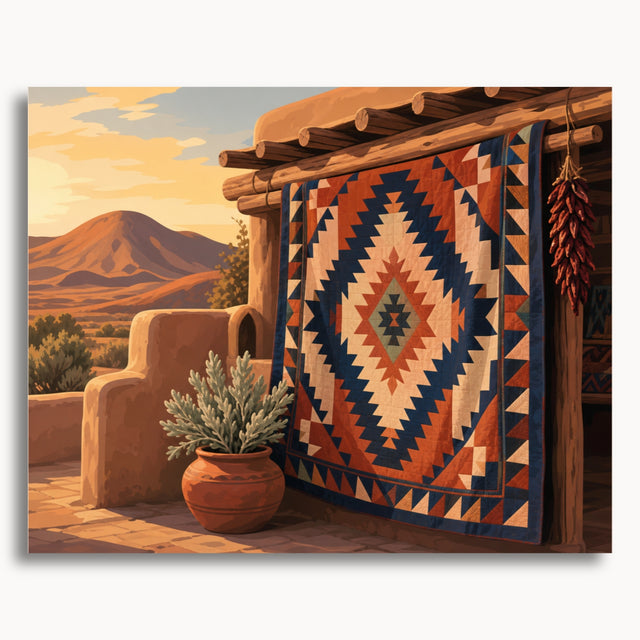 Crafty By Numbers
Southwestern Blanket
$29.95
Shop now →
Crafty By Numbers
Southwestern Blanket
$29.95
Shop now →
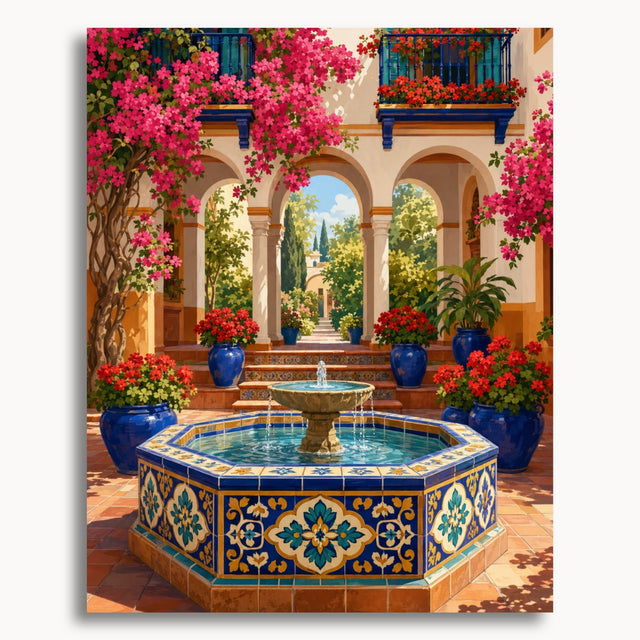 Crafty By Numbers
Courtyard Fountain
$29.95
Shop now →
Crafty By Numbers
Courtyard Fountain
$29.95
Shop now →
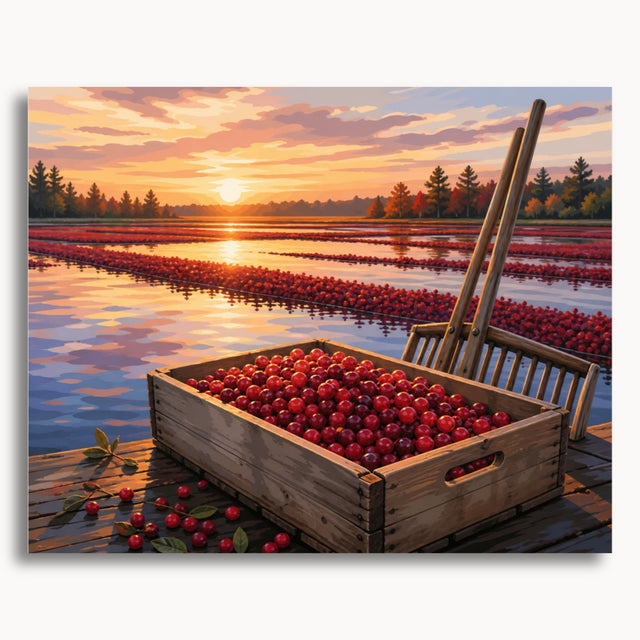 Crafty By Numbers
Cranberry Harvest
$29.95
Shop now →
Crafty By Numbers
Cranberry Harvest
$29.95
Shop now →
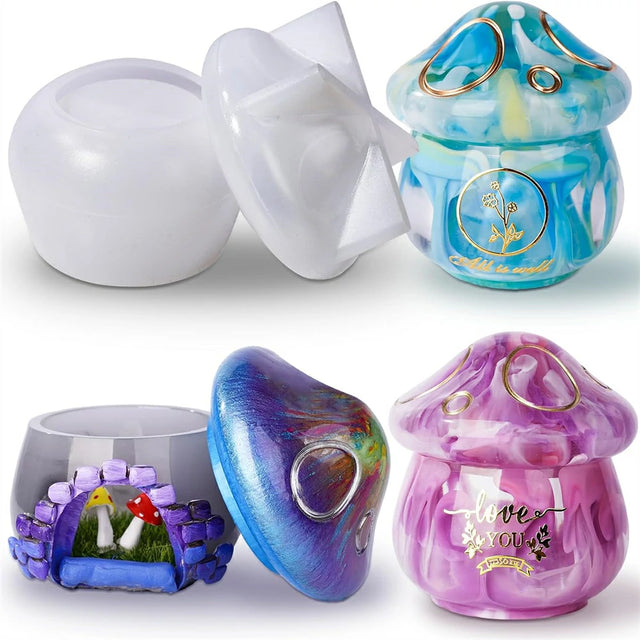 Let's Resin
Mushroom Jar Resin Mold
$9.99
Shop now →
Let's Resin
Mushroom Jar Resin Mold
$9.99
Shop now →
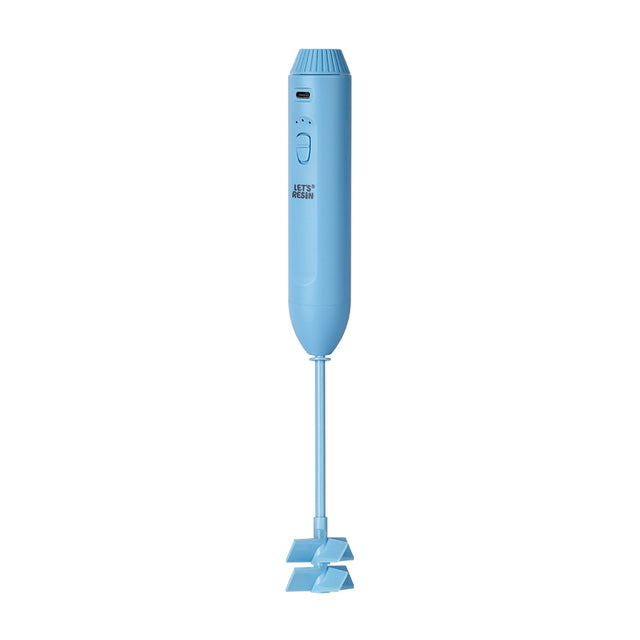 Let's Resin
M1 Electric Resin Mixer
$19.99
Shop now →
Let's Resin
M1 Electric Resin Mixer
$19.99
Shop now →
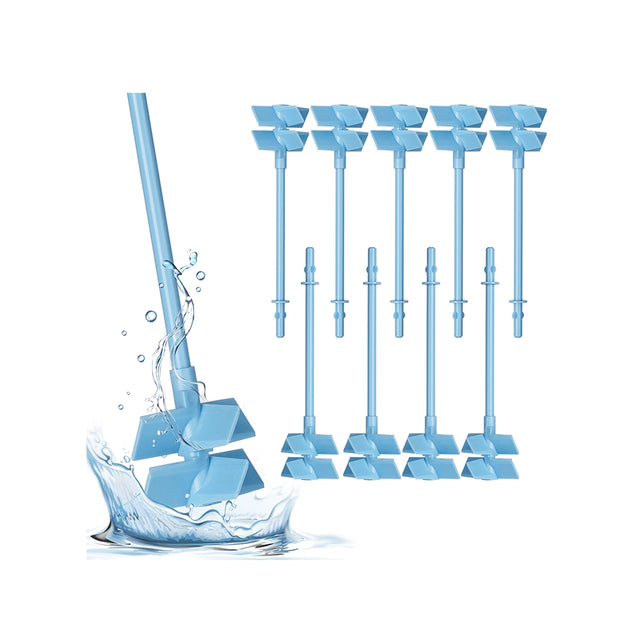 Let's Resin
Resin Mixer Paddles for M1 - 10 Pcs
$9.99
Shop now →
Let's Resin
Resin Mixer Paddles for M1 - 10 Pcs
$9.99
Shop now →
How to Choose: The Specs That Actually Matter
For paint-by-numbers kits, prioritize canvas quality—pre-printed linen or cotton with clear, non-bleeding numbers matters far more than brand name. Check whether the kit includes all brushes (at least two sizes for broad and fine detail work), pre-portioned paints matched to printed numbers, and a reference color guide. Canvas size ranges from 8×10 inches (completable in 6–8 hours) to 16×20 inches (12+ hours), so match difficulty to the recipient's available time and patience. For resin kits, the choice between two-part epoxy and UV resin fundamentally changes your project. Epoxy resin mixes, pours, and cures slowly over ~24 hours—ideal for coating or casting pieces in molds. UV resin pre-mixes, cures in minutes under a lamp, but only works in thin layers and suits small jewelry and detail work. Starter kits often combine resin, silicone molds, glitter, dried flowers, and basic tools. Higher-value kits offer larger resin quantities (32–64 oz) for batch projects. Always verify safety equipment: ventilation requirements, gloves, mixing cups, and stirring tools are non-negotiable.
Trade-offs: What Upgrades Matter, What Doesn't
Expensive paint-by-numbers kits don't always deliver better results than mid-range options. A kit costing USD 30–40 will produce the same visual quality as one costing USD 70, so don't assume price equals quality. What truly matters: whether the recipient will finish the project. A smaller, simpler kit that gets completed and displayed is superior to an ambitious one that sits half-done in a drawer. Skip premium 'artist-grade' paints if the kit uses standard acrylic—it's unnecessary for this category. For resin projects, premium brands like ArtResin cost significantly more but offer non-yellowing formulas ideal for long-term display pieces. Budget starter kits work fine for learning or gift projects that won't spend years displayed. You can skip fancy embellishment kits if the basic version includes glitter and dried flowers. One legitimate upgrade: low-fume resin options cost 10–15% more but make apartment crafting far more comfortable. Ventilation becomes a practical upgrade, not a luxury. Avoid over-purchasing mold variety in your first kit; a beginner benefits from 3–5 simple molds rather than twenty designs they'll never use.
Who Should Buy Which Kind of Kit
Paint-by-numbers suits gift-givers buying for relatives who want portable, screen-free relaxation. The Craft Central offers a range of paint-by-numbers designs in various sizes, ideal for customizing difficulty to the recipient's schedule. Crafty By Numbers specializes in paint-by-numbers with 200+ designs and mini versions (USD 30–72), catering to both large canvas projects and quick gift options. Pink Picasso Kits, featured on Shark Tank, combine attractive packaging with reliable supplies, making them excellent for shoppers prioritizing presentation. For artists seeking custom projects, Just Paint by Number allows uploading personal photos to generate custom kits with free shipping. Resin craft kits suit recipients interested in jewelry-making, coaster crafting, or home décor. Let's Resin provides all-in-one starter kits and specialty molds (decoration, jewelry, coasters, animals) at USD 10–160, covering projects from absolute beginner to ambitious. Craft Resin US focuses on UV resin specifically (USD 11–190), best for crafters wanting fast-curing projects. Paintingtogogh offers date-night painting kits and junior artist bundles (USD 15–100) for group activities or younger crafters.
Quality and Value: Distinguishing Good Kits from Poor Ones
Premium paint-by-numbers separate from budget versions through canvas material and paint quality. High-quality kits use pre-printed linen or heavyweight cotton that resists warping and allows paint to sit flat; cheaper kits use thin paper that buckles. Paint quality matters visibly: mid-range and premium kits use acrylic formulas that cover in one coat and dry to a consistent finish, while budget versions require multiple applications. Verification signals include customer reviews explicitly mentioning completion rates ('finished and looked great') and clear age recommendations—established brands build reputation on finishability. For resin, the gap between good and poor quality is dramatic. Premium epoxy like ArtResin costs USD 49+ per unit but cures crystal-clear and resists yellowing for years, suitable for heirloom-quality pieces. Mid-range resin (USD 20–30) suits short-term projects and learning but may yellow over time if displayed in sunlight. Budget resin (USD 10–15) works adequately for gift crafting but lacks UV inhibitors. Quality indicators include a 1:1 mixing ratio (easier than 2:1), self-leveling formulas (forgiving application), and documentation of cure time. High-fume formulas are not inferior; they're simply less comfortable for apartment use. Let's Resin and Craft Resin US maintain consistent quality across product ranges, making either a safe mid-to-premium choice.
Sizing and Capacity: Getting the Right Project Scale
Canvas size in paint-by-numbers directly affects completion likelihood. An 8×10-inch kit typically takes 6–8 hours and suits busy gift-recipients or first-time painters. A 12×16-inch canvas takes 12–15 hours, better for someone with weekend time. Anything larger than 16×20 inches demands serious commitment and is riskier as a gift unless you know the recipient's available free time. Most gift guides recommend medium sizes (12×16 or similar) as the 'sweet spot'—ambitious enough to feel rewarding but achievable within a typical vacation week. For resin, kit capacity determines project quantity and ambition. A 16–32 oz starter kit produces 3–8 small pieces (coasters, keychains, pendants) before resin is exhausted, suitable for learning or a single gift session. A 64 oz kit supports batch projects for Etsy shops, holiday gift-making for multiple people, or ongoing hobby enthusiasm. UV resin kits often include smaller quantities (8–16 oz) because the material is more expensive, but that's normal—UV is for precision work, not volume casting. Always calculate mold volume before purchasing: if a kit includes five molds holding 2 oz each, and you receive 32 oz of resin, you'll have enough for 3–4 complete casting cycles. Seasonal crafters should invest in larger quantities; casual one-time gift-makers should start small.
How to Save Money on Craft Kit Purchases
Paint-by-numbers kits rarely drop in price during traditional sale seasons (Black Friday, Cyber Monday), but volume discounts are common. Some brands offer 'buy more, save more' structures—for example, purchasing two or three kits together unlocks per-unit discounts of 15–25%. This matters if you're buying gifts for multiple people. Resin kits show more seasonal fluctuation. Fall and early winter (September–November) see the most aggressive discounts as retailers stock inventory, often 15–20% off full kits. January sees winter clearance sales on holiday-themed molds and decorative items. Digital discount codes often appear on craft retailer emails; subscribing to The Craft Central, Let's Resin, or Just Paint by Number newsletters (usually free) can unlock 10–15% first-purchase codes. Bundle deals consistently offer better value than individual items: a resin kit with molds, glitter, and tools bundled together typically costs 20–30% less than purchasing each component separately. Watch for flash sales on specific product categories rather than expecting sitewide markdowns—resin kits might drop 20% mid-week while paint-by-numbers hold steady. Avoid shopping during peak gift-giving weeks (late November, mid-December) when prices stabilize and codes don't apply. Most realistic discount code coverage is 10–15% off total purchase, occasionally reaching 20% with stacked promotions.
Common Comparison Mistakes in This Category
A frequent error is assuming expensive paint-by-numbers deliver better experiences than mid-range kits. Price often reflects packaging appeal or marketing rather than canvas or paint quality. A USD 40 kit from a lesser-known brand can outperform a USD 70 premium-brand kit if its canvas is better and its paints cover more efficiently. Don't compare based on brand name alone; read reviews mentioning actual completion and quality. Another mistake is choosing resin kits by resin volume without considering project type. Shoppers often buy the largest quantity (64 oz) assuming 'more value,' but if they plan small jewelry projects, UV resin (10–16 oz) with a lamp is far more practical than bulk epoxy that will sit unused for months. Conversely, someone planning to cast 20 coasters in epoxy needs the larger volume, not a 'beginner' 8 oz kit. Conflating epoxy and UV resin as interchangeable is costly. They cure differently, work on different scales, and require different tools. A gift-giver should clarify what the recipient plans to make before selecting resin type. Ignoring ventilation as a 'bonus' feature rather than a requirement leads to poor gift experiences. If someone lives in a small apartment or is ventilation-sensitive, a USD 30 low-fume resin is more valuable than a USD 15 standard formula—it determines usability, not just quality. Finally, overpurchasing embellishment variety wastes money. A kit with five glitter colors and five mold designs is sufficient for learning; buying a kit with 50 options only adds waste if the crafter never explores half of them.
Mistakes Shoppers Make When Buying Craft Kits
Buying too large a canvas for an unknown crafter is the top regret among gift-givers. If you don't know exactly how much free time the recipient has, default to medium sizes (12×16 or smaller)—it's better to finish ambitiously than abandon an oversized project. Assuming the recipient will 'definitely use' a resin kit without confirming their interest first results in unused gifts. Resin work requires commitment, ventilation, and sustained interest; it's not impulse-friendly like paint-by-numbers. Choosing kits with overwhelming embellishment options paralyzes decision-making. A paint-by-numbers with 300+ designs feels luxurious but often confuses rather than excites; simpler choices (single design per kit) increase completion likelihood. Not checking ingredient lists or safety requirements leads to poor experiences. Resin, even low-fume versions, still requires gloves, ventilation, and careful handling—glossing over these details ruins the gift when the recipient opens it and discovers unexpected safety concerns. Buying during peak holiday season (November–December) often means paying full retail and receiving slower shipping. Shopping in September–October yields better prices and faster delivery. Neglecting to verify kit completeness—assuming all necessary tools are included—leaves the recipient buying additional supplies out of pocket. Always confirm a kit includes brushes, mixing cups, measuring tools, and protective gear before purchasing. Finally, treating paint-by-numbers and resin kits as interchangeable gifts for the same person overlooks personality fit. Paint-by-numbers suit reflective, meditative types; resin appeals to builders and makers. Mismatching the gift type to the recipient's craft personality leads to abandoned projects.
Frequently asked questions
How long does a paint-by-numbers kit actually take to complete?
A standard 8×10 kit takes 6–8 hours, while 12×16 canvases require 12–15 hours. Larger formats can exceed 20 hours. Completion time depends on canvas size, brush control, and how carefully you paint. Most people finish in weekend sessions or spread across one week of casual evenings.
Do I need ventilation for all resin kits, or just epoxy?
Both epoxy and UV resin require ventilation, but differently. Standard epoxy releases strong fumes requiring open windows or fans during mixing and pouring. UV resin releases milder fumes but still benefits from ventilation. Low-fume formulas reduce fume intensity by 30–50% and cost 10–15% more. UV resin cures with a lamp (no heat) while epoxy releases mild warmth during cure.
Which craft kit gift is safest for someone who has never crafted before?
Paint-by-numbers is lower-risk for beginners because it requires no prior skill, minimal setup, and forgives minor mistakes. Resin demands more precision, safety awareness, and patience. Diamond painting (if available) is also beginner-friendly but less common in gift kits than paint-by-numbers.
Some links on this page are affiliate links. If you buy through them we may earn a commission at no extra cost to you. Prices and availability are taken from the retailer and can change without notice. Compiled by The Found Good editors.