


Matcha & CO is a Spain-based matcha brand that sources ceremonial-grade powder from fifth-generation farmers in Uji, Kyoto, then works that same matcha into everything from pure tea tins to collagen and mushroom supplements. Here's what we found going through their actual product pages, pricing, and FAQ.
What we recommend

What Matcha & CO Actually Sells
The catalog splits into five groups: pure matcha tea, supplement blends, herbal infusions, preparation accessories such as bamboo whisks and bowls, and curated gift sets. The matcha itself is sold as ceremonial-grade powder meant for traditional whisking rather than the lower-grade culinary matcha used in lattes. The supplements take that same matcha base and combine it with other functional ingredients — collagen, mushroom extract, turmeric — aimed at people who want matcha folded into a daily wellness routine rather than a tea ceremony.
🔥 Top deals
Real products from the brands in this guide — price as the store listed it
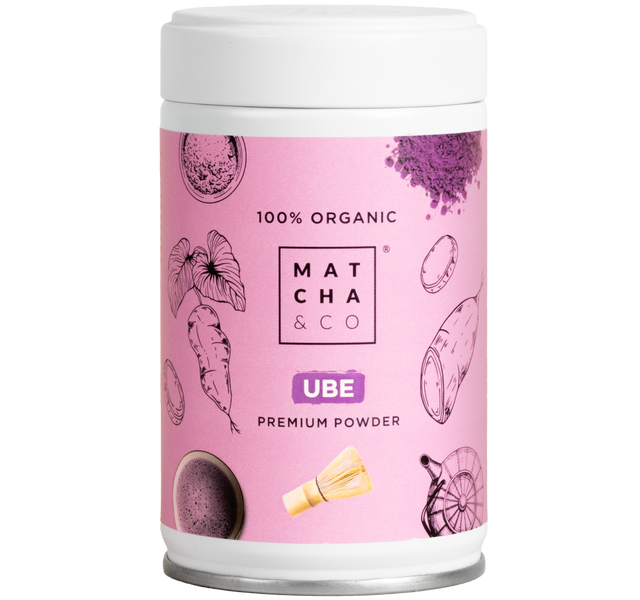
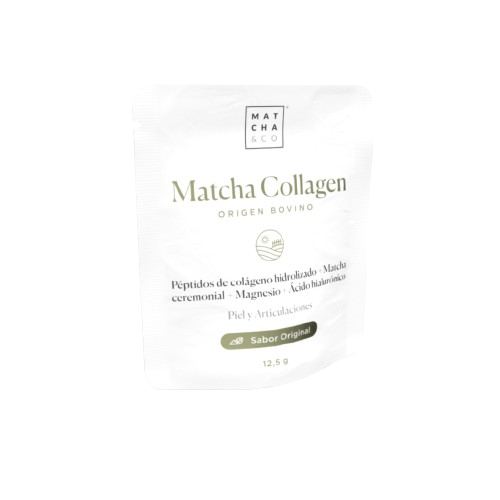
Where The Matcha Comes From
On its own site, Matcha & CO says it works directly with fifth-generation Japanese farmers under an exclusive production agreement with farms in Uji, Kyoto — one of Japan's oldest matcha-growing regions — and that the tea is stone-ground there. The brand describes its products as organic, with '100% natural ingredients' and no unnecessary additives or GMOs, under an organic certification. Its stated philosophy, translated from the site, is 'less is more' — keeping formulas to what it considers the body actually needs. We could not independently verify the farm agreement or the organic certificate itself; this is what the brand states publicly, not a third-party audit.
Pricing: What You'll Actually Pay
Matcha & CO's own published price range runs from €6 to €72 across the full catalog. In the supplements line specifically, listed prices ran from about €24.95 for mushroom-matcha blends up to €39.95 for a whey protein blend, with the collagen blends (marine or bovine origin) priced around €29.95 to €36.95. Matcha tea tins start lower, with a premium tin listed from €14.95. Site-wide, the brand advertises free shipping over €35 and 24-48 hour delivery — both claims come from the Spanish storefront we reviewed, so they most likely describe domestic Spain or EU shipping rather than worldwide shipping. We did not find a separate English-language or USD storefront; pricing and checkout appeared to be in Spanish and euros only.
The Supplement Line Isn't All Vegan — Read The Labels
This is the one place shoppers should slow down. Matcha & CO markets itself around a plant-based, matcha-first identity, but two of its best-known supplement blends — Matcha Colágeno Marino and Matcha Colágeno — are built on marine or bovine collagen, which is an animal-derived ingredient. Someone shopping the brand for a vegan matcha routine could land on a collagen tin without realizing it isn't plant-based; the pure matcha teas and the mushroom-matcha blends are the ones that stay meat- and fish-free. It's worth checking the ingredient list on each product page before adding a supplement to the cart, rather than assuming the whole line matches the brand's matcha-and-plants image.
What Matcha & CO's Own FAQ Says About Caffeine And Who Should Be Careful
The brand's FAQ page is more detailed than most, and it's worth reading before ordering. It states that one 1-gram serving of matcha carries roughly 35 mg of caffeine, paired with L-theanine, which it says produces a steadier release of energy than coffee rather than a sharp crash. A serving is listed at about 3 kcal with no naturally occurring sugar. The brand says its matcha is gluten-free and suitable for people with celiac disease, and that it works for vegan and vegetarian diets when made with plant-based milk — again, that applies to the plain matcha, not every supplement. On caffeine limits, the FAQ recommends pregnant women keep to around 2 cups a day, children to about 1 cup a day, and everyone else to a ceiling of roughly 5 cups (about 400 mg of caffeine) daily. It also says, in its own words, that the flavor is an acquired taste — comparable to developing a liking for coffee or beer — and suggests newcomers start with a milder organic matcha rather than the most concentrated ceremonial-grade option.
Who This Brand Is — And Isn't — A Good Fit For
Matcha & CO reads as a good match for people who already know they like ceremonial-grade matcha and want a traceable Uji, Kyoto source plus a minimal-ingredient formula, or for anyone curious about folding matcha into a supplement stack rather than drinking it straight. It's a weaker fit for three kinds of shoppers: strict vegans who aren't planning to double-check every supplement label, people expecting the mild, slightly sweet flavor of a café matcha latte rather than the more intense umami of true ceremonial grade, and shoppers outside the EU who want an English-language, USD-priced checkout — based on what we could load, the site serves Spanish-language, euro-priced customers first.
Frequently asked questions
Is Matcha & CO's matcha actually ceremonial grade?
That's how the brand positions it — stone-ground matcha from Uji, Kyoto, intended for traditional whisking rather than blending into lattes. We're relaying the brand's own sourcing claim, not an independent lab test of the leaf grade.
Are Matcha & CO's supplements vegan?
Not all of them. The plain matcha teas and the mushroom-matcha blends don't contain animal ingredients, but the Matcha Colágeno and Matcha Colágeno Marino supplements use bovine or marine collagen, which is not vegan. Check the ingredient list on each product page.
How much caffeine is in a serving?
The brand's own FAQ lists about 35 mg of caffeine per 1-gram serving, with L-theanine included for a steadier release. It recommends pregnant women limit themselves to roughly 2 cups a day and children to about 1 cup.
Does Matcha & CO ship outside Spain or the EU?
The site we reviewed advertised free shipping over €35 and 24-48 hour delivery, which reads as a domestic Spain/EU shipping claim. We did not find published international shipping rates or times, so shoppers outside the EU should check shipping cost and delivery estimates before buying.
What does a typical order cost?
Based on the brand's own published price range, products run from about €6 to €72, with most matcha tins and single supplements landing in the €15 to €40 range.
Some links on this page are affiliate links. If you buy through them we may earn a commission at no extra cost to you. Prices and availability are taken from the retailer and can change without notice. Compiled by The Found Good editors.