


If you've only ever run in Nike, Brooks or Hoka, the name Tarkine probably hasn't crossed your radar — and that's exactly the question this guide sets out to answer: is an Australian running shoe brand, sold mostly direct from its own website, actually worth trying? We looked at what Tarkine makes, how it prices its shoes against the major players, what it says about its own materials and mission, and where buying from a smaller, direct-to-consumer brand can go wrong. This isn't a brand-sponsored puff piece — the goal is to tell you plainly who should add Tarkine to their shortlist and who is better off staying with a shoe they can try on at a local store first.
What we recommend

What Tarkine Actually Sells
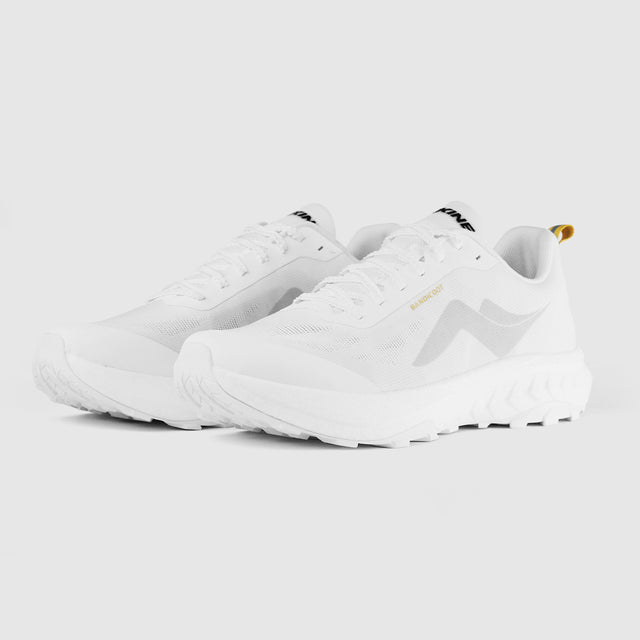
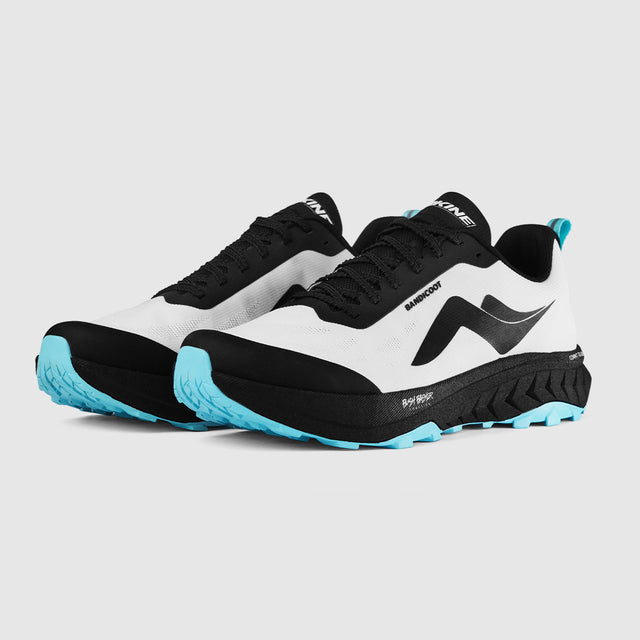
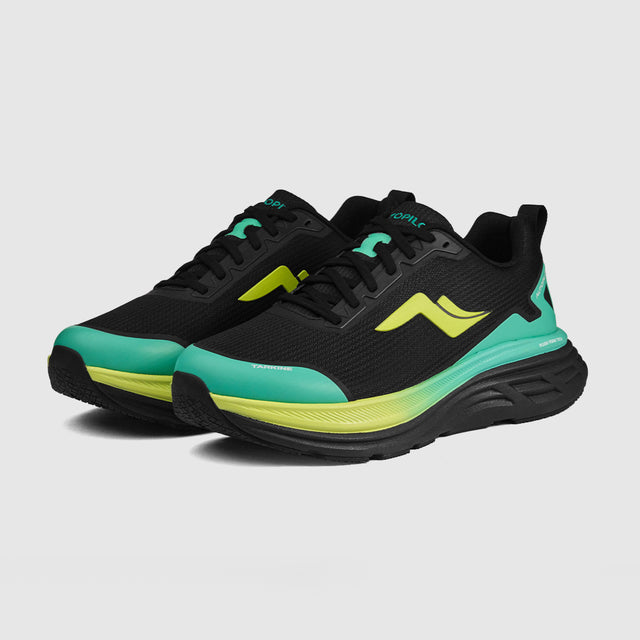
Tarkine Athletics is a running shoe company based in Australia, selling road, trail and hybrid shoes directly to runners rather than mainly through big sporting goods chains. The lineup is deliberately small compared to the dozens of models a brand like Brooks or Asics pushes out each year — at the time of writing it centers on five main shoes: the Autopilot, a cushioned model built for everyday road miles and mixed terrain; the Trail Devil 3, a dedicated trail shoe with a Vibram MegaGrip outsole for technical, rocky ground; the Bandicoot, pitched as a lighter, faster option for runners who want less shoe underfoot on road or light trail; the Goshawk V3, which is built around a noticeably wider toebox for runners who find most performance shoes too narrow in the forefoot; and the Giants, a hybrid model that leans toward everyday wear as much as running performance. Prices run from around $200 to $270, which sits in the same bracket as premium releases from Hoka, Brooks or On — this is not a budget shoe brand, and it doesn't try to be.
🔥 Top deals
Real products from the brands in this guide — price as the store listed it
The Shoe Lineup, Model by Model
Because Tarkine keeps its range tight, it's worth knowing what each shoe is actually for before you buy. The Autopilot ($220) is the closest thing to an all-rounder in the lineup — a cushioned trainer aimed at runners who want one shoe for most of their weekly mileage, on road or light trail. The Trail Devil 3 ($270) is the specialist: a genuine trail shoe with a Vibram MegaGrip sole, which is the same outsole compound used by a number of established hiking and trail-running brands for its grip on wet rock and loose dirt — this is the model to pick if you actually run technical trails rather than groomed paths. The Bandicoot ($240) is marketed as the lightest, fastest shoe in the range, intended for runners who want a nimbler ride for tempo runs or shorter races rather than long, cushioned miles. The Goshawk V3 ($200) is the one worth a close look if you've struggled with narrow toeboxes in other brands — Tarkine builds it with extra width up front, which can matter a lot for runners with wider feet or those who like to let their toes splay naturally. The Giants ($220) sits apart from the rest as a hybrid model, built to double as an everyday shoe rather than a pure performance trainer. None of the five is positioned as a racing flat or a carbon-plated super-shoe — Tarkine's range is built for training and everyday miles, not marathon personal bests.
Materials and the Sustainability Pitch
Tarkine's marketing leans hard on sustainability, and it's worth separating what the brand claims from what's independently verifiable. The company describes its shoes as made with recycled materials and says it donates 2% of sales to the Bob Brown Foundation, an Australian environmental organisation, as part of a program it calls '2% to protect wild places.' The brand's name itself references the Tarkine rainforest in northwest Tasmania, one of the largest tracts of cool temperate rainforest left in the world — a real, well-documented wilderness area, which gives the branding more substance than a generic 'eco-friendly' label slapped on a product page. Tarkine also runs a 'Re-Run' program aimed at giving used shoes a second life rather than sending them straight to landfill. None of this is independently audited in anything we could verify from the outside — like any brand's sustainability claims, the donation figure and recycled-material claims rest on Tarkine's own disclosures rather than third-party certification. If an environmental story matters to your buying decision, treat it as a reason to look closer at the brand, not as a substitute for checking the shoe itself fits and performs the way you need.
Fit, Comfort and Everyday Use
Running shoe fit is personal, and there's no substitute for trying a pair on your own feet — but a few things are worth flagging based on what Tarkine builds into its range. The Goshawk V3's wider toebox is a genuine point of difference if you've been squeezed by narrow performance shoes from bigger brands; runners who've moved to 'foot-shaped' shoes from brands like Altra or Topo may find the Goshawk a more familiar fit than Tarkine's narrower models. The Trail Devil 3's Vibram sole is built for grip over cushioning, so if your 'trail running' is mostly groomed fire roads rather than technical singletrack, the Autopilot or Bandicoot will likely feel more comfortable for longer stretches. Because Tarkine sells primarily direct-to-consumer rather than through retail stores with a wide range of stock, trying before you buy isn't as simple as walking into a running shop — you're relying on the brand's size charts and return policy rather than a staff member measuring your foot in person.
Where Tarkine Falls Short
No review is complete without the downsides, and Tarkine has a few worth knowing before you order. First, price: at $200–$270, these shoes cost as much as flagship releases from Hoka, Brooks, On or Asics, brands with decades of shoe-specific R&D, wear-testing databases and dedicated biomechanics teams behind every model. Tarkine's small, five-shoe lineup can't offer the same breadth of options for different foot types, running styles or injury histories that a giant like Asics or New Balance can. Second, because Tarkine is a smaller, mostly online-direct brand, you won't find racks of them at your local running store to try on — sizing surprises are a real risk, and if a pair doesn't fit, you're dealing with a direct-to-consumer return process rather than walking back into a shop. Third, as an Australian company shipping internationally, buyers outside Australia should expect longer delivery windows than ordering from a shoe already warehoused in their own country, and should check the brand's return and exchange terms for international orders before buying, since cross-border returns are typically slower and sometimes costlier than domestic ones. None of these are reasons to rule Tarkine out, but they're real trade-offs against buying an established shoe brand from a store down the street.
Who Should (and Shouldn't) Buy Tarkine
Tarkine makes the most sense for runners who already have a reasonable idea of their foot shape and preferred ride — someone who knows they want a wider toebox, or specifically wants a Vibram-soled trail shoe, and is comfortable ordering online and sizing against a chart rather than trying shoes on in person. It also suits runners who put real weight on a brand's environmental story when making a purchase, since that's a central part of what Tarkine is selling alongside the shoe itself. It makes less sense for first-time runners who aren't sure what kind of shoe or fit works for their feet yet — that's a case where visiting a specialty running store for a professional fitting, with a generous in-store return policy, will save more frustration than ordering a $220 shoe sight-unseen. It also isn't the right pick for runners on a tight budget, since Tarkine competes on quality and story at a premium price point rather than on being the cheapest option on the market.
Buying Tarkine: Sizing, Ordering and Returns
Buying a running shoe you've never tried on comes with more risk than most online purchases, so it's worth walking through what ordering from Tarkine actually looks like. The brand sells through its own website rather than through third-party marketplaces, which means pricing, available sizes and any return window all run through Tarkine directly rather than through a retailer's separate policy. Because the lineup spans five shoes with different intended fits — the wider Goshawk V3, the narrower Autopilot and Bandicoot, the grippier Trail Devil 3 — the size chart alone won't tell you everything; reading the model-specific fit notes on each product page matters more here than it does with a shoe brand you already know your size in. If you're ordering your first pair, it's worth measuring your foot length and width against Tarkine's published chart rather than assuming your usual US or UK size transfers directly, since shoe sizing standards and last shapes vary meaningfully between brands and countries. Keep any packaging and try the shoes on indoors on a clean surface before committing to a run outside, so a return — if you need one — isn't complicated by visible outdoor wear.
How Tarkine Compares to Buying From a Big-Box Running Brand
It's worth putting Tarkine side by side with the alternative most runners default to: a pair of Hoka, Brooks or Asics shoes bought at a specialty running store. The big-box option wins on breadth — dozens of models across stability, cushioning and speed categories, built on years of biomechanical testing, with staff who can watch your gait and recommend a shoe accordingly, and a simple in-store exchange if the fit is wrong. Tarkine's advantage isn't volume; it's a tighter, more opinionated lineup built around two clear differentiators — a genuinely wide-toebox option in the Goshawk V3, and a sustainability story backed by a real donation program and a shoe-recycling initiative — sold at a price that happens to land in the same range as the big brands' flagship models rather than undercutting them. In practice, that means Tarkine is a better fit as an informed second or third pair for a runner who already knows their gait and foot shape, rather than as the first running shoe someone buys without ever having a professional fitting. Runners who've never had their gait assessed, or who aren't sure if they overpronate, are still better served starting at a specialty running store before ordering any shoe — Tarkine included — sight unseen.
Frequently asked questions
Are Tarkine running shoes true to size?
Tarkine publishes its own size chart on its website, and like most direct-to-consumer shoe brands, fit can vary slightly between models — the wider Goshawk V3 in particular fits differently from the brand's narrower options. Check the specific shoe's size guide rather than assuming your usual size across brands will carry over exactly.
Does Tarkine make shoes for wide feet?
The Goshawk V3 is the model built specifically with a wider toebox, aimed at runners who find most performance running shoes too narrow through the forefoot. The rest of the lineup follows a more standard performance fit.
Is Tarkine worth the price compared to Nike or Hoka?
That depends on what you value. Tarkine's $200–$270 price sits in the same range as premium shoes from established brands, and those bigger brands generally have far more models, wear-testing data and in-store trial options. Tarkine's case for the price rests more on its specific fits, like the wide Goshawk V3, and its sustainability story than on being cheaper or offering a larger range.
Does Tarkine ship outside Australia?
Tarkine sells directly through its own website to international customers, but as with any brand shipping from Australia, buyers elsewhere should expect longer delivery times than a domestic order and should check the brand's current shipping and return terms for their country before ordering.
Some links on this page are affiliate links. If you buy through them we may earn a commission at no extra cost to you. Prices and availability are taken from the retailer and can change without notice. Compiled by The Found Good editors.