

Portable jump starters and jumper cables are two fundamentally different approaches to restarting a dead car battery. Portable units are self-contained battery packs that work alone; jumper cables transfer power from another vehicle and cost far less but require another driver present.
What we recommend




The two options in one paragraph
Portable jump starters are compact, battery-powered devices you keep in your car. When your battery dies, you connect the starter's leads directly to your battery terminals, press a button, and your engine cranks. Jumper cables are two cables with clamps on each end that attach to your dead battery and another vehicle's healthy battery, allowing power to flow between them. The fundamental difference is independence: portable starters work alone, anywhere, anytime. Jumper cables are free or cheap but require you to find another vehicle with a functioning battery and an attentive driver willing to help. For solo drivers, remote areas, or people without roadside friends nearby, portable starters solve the independence problem. For those who rarely face dead batteries and want to spend as little as possible, jumper cables remain a valid backup plan.
🔥 Top deals
Real products from the brands in this guide — price as the store listed it
 Linkifun Store
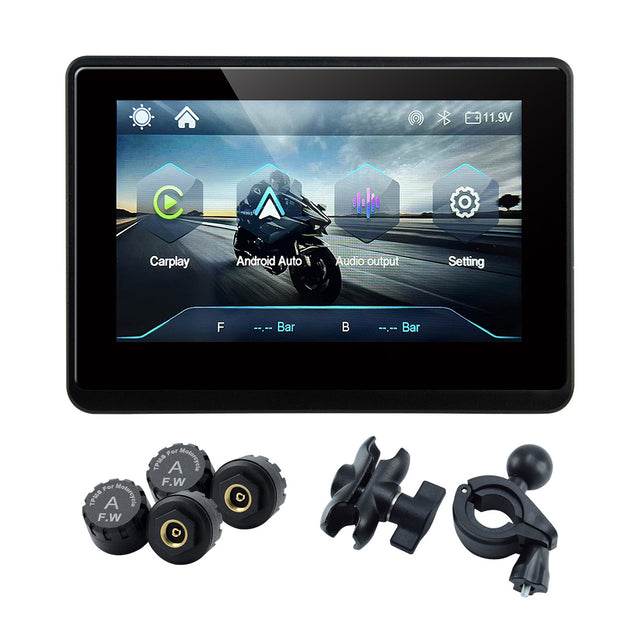
Linkifun™ MT1 5" Motorcycle Navigation Display with Wireless CarPlay & Android Auto, Portrait/Landscape Rotation, 800-Nit IPS, Optional TPMS & IP67
$145.00
Shop now →
Linkifun Store
Linkifun™ MT1 5" Motorcycle Navigation Display with Wireless CarPlay & Android Auto, Portrait/Landscape Rotation, 800-Nit IPS, Optional TPMS & IP67
$145.00
Shop now →
 Linkifun Store
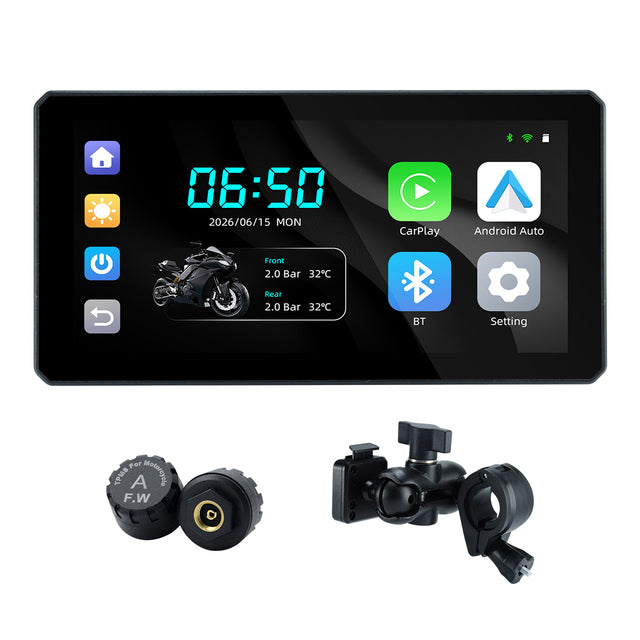
Linkifun™ MT6 6" Motorcycle Navigation Screen with Wireless CarPlay & Android Auto, GPS Navigation, Bluetooth 4.2 & Optional TPMS
$159.00
Shop now →
Linkifun Store
Linkifun™ MT6 6" Motorcycle Navigation Screen with Wireless CarPlay & Android Auto, GPS Navigation, Bluetooth 4.2 & Optional TPMS
$159.00
Shop now →
 Linkifun Store
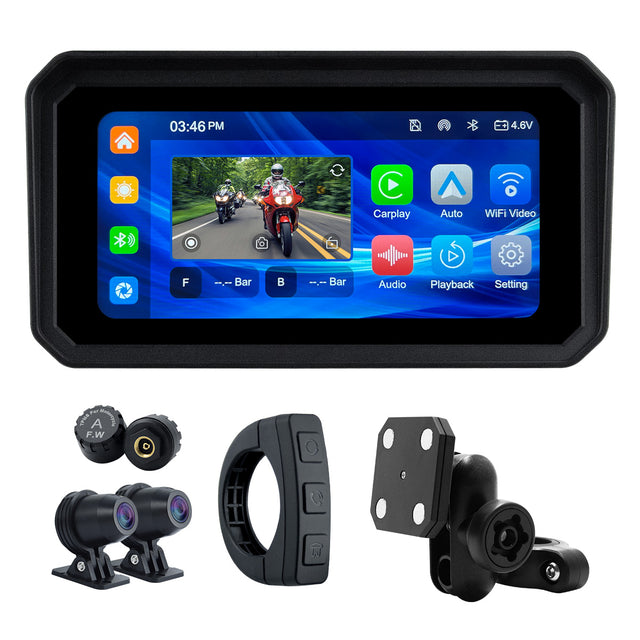
Linkifun™ MT9A 6" Motorcycle Navigation Screen with Wireless CarPlay & Android Auto, Front & Rear DVR Cameras, TPMS, IP67 Waterproof
$199.00
Shop now →
Linkifun Store
Linkifun™ MT9A 6" Motorcycle Navigation Screen with Wireless CarPlay & Android Auto, Front & Rear DVR Cameras, TPMS, IP67 Waterproof
$199.00
Shop now →
 bodegacooler
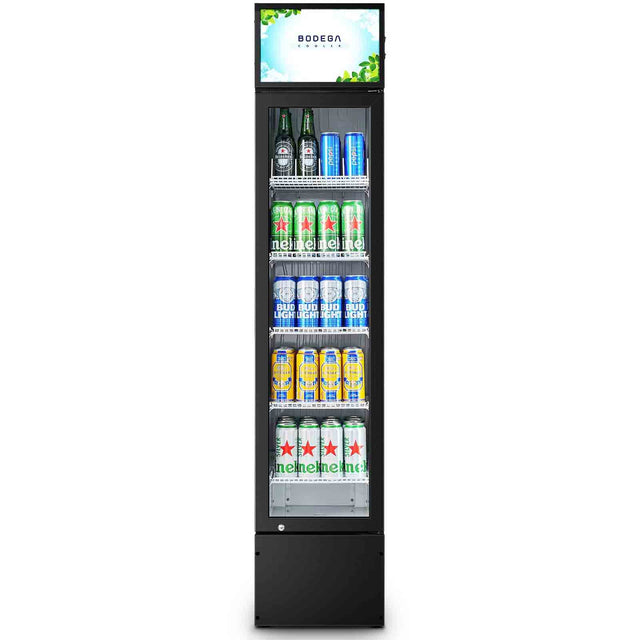
BODEGACOOLER Commercial Refrigerator, 5.7 Cu.Ft Glass Door Beverage Cooler | Merchandiser Refrigerator with Adjustable Shelves, Upright Single Swing Glass Door
$839.99
Shop now →
bodegacooler
BODEGACOOLER Commercial Refrigerator, 5.7 Cu.Ft Glass Door Beverage Cooler | Merchandiser Refrigerator with Adjustable Shelves, Upright Single Swing Glass Door
$839.99
Shop now →
 bodegacooler
BODEGAcooler 24" Built-in 56 Bottles Wine Cooler in Stainless Steel with Wood Shelves
$1,099.99
Shop now →
bodegacooler
BODEGAcooler 24" Built-in 56 Bottles Wine Cooler in Stainless Steel with Wood Shelves
$1,099.99
Shop now →
 bodegacooler
BODEGACOOLER Commercial Beverage Refrigerator Glass Door LED Display Cooler
$979.99
Shop now →
bodegacooler
BODEGACOOLER Commercial Beverage Refrigerator Glass Door LED Display Cooler
$979.99
Shop now →
How they differ on reliability?
Portable jump starters offer consistent, predictable results if they are charged. Their internal battery supplies a known amount of power every time, and built-in safety features—reverse-polarity detection, over-current protection—prevent damage if you connect the leads backward. Lithium-ion starters deliver steady power but perform poorly below 15°F and typically only function for three jump attempts before needing a cool-down period. Lead-acid portable starters work in extreme cold and can crank repeatedly but weigh 15-30 pounds. Jumper cables, by contrast, depend entirely on the other vehicle's battery condition and the skill of whoever connects them. Poor connections cause sparks and potential battery damage. However, jumper cables have no electronic components to fail, no battery that degrades, and no need for charging—they simply work for decades if stored dry. The tradeoff is clear: portable starters fail when uncharged; jumper cables fail when the helper vehicle's battery is also weak.
How they differ on running cost and upkeep
Jumper cables cost $10-25 and require virtually no maintenance once you buy them. Store them in your trunk and forget about them for years. They do not degrade with age, do not need charging, and do not fail due to neglect. The only real risk is corrosion on the clamps if exposed to moisture, easily solved by wiping them dry. Portable jump starters cost $40-300+ depending on power and brand. Their ongoing costs are modest but real. Lithium-ion starters should be recharged every three months during storage and kept between 70-80% charge to preserve battery health. Lead-acid starters need full charging every three months and weigh more, raising your car's fuel consumption slightly. After 3-5 years, the internal battery may fail, and replacement costs $30-70—sometimes nearly as much as a new unit. Neither option involves expensive service or professional maintenance. Jumper cables remain the cheaper long-term choice if you can find help; portable starters cost more upfront and require periodic charging discipline, but offer years of problem-free operation if maintained.
How they differ on space, size or setup effort?
Jumper cables occupy minimal space—a pair rolls into a tight bundle about the size of a grapefruit, fitting easily under a car seat, in a door pocket, or in the smallest glove compartment. Setup is straightforward: locate another vehicle, carefully attach the red clamp to the positive terminal of the dead battery, attach the black clamp to the negative terminal, then ask the helper to start their engine. Once their car runs for 2-3 minutes, your battery receives enough charge to start. Portable jump starters are larger but still compact. Lithium-ion models are wallet-sized or slightly bigger, weighing 3-5 pounds—easy to toss in a bag or under a seat. Lead-acid starters are bulkier, more like a small toolbox, weighing 15-30 pounds, making them less convenient for regular travel. Setup is faster: no need to find another vehicle, no dependency on someone else's schedule, and no negotiation required. You simply pull it out, attach the two leads to your battery terminals, flip a switch, and crank. For people with tight trunk space or frequent short trips, jumper cables are the lighter choice. For those who want grab-and-go convenience and do not mind a heavier load, portable starters eliminate the social component of asking for roadside help.
Choose jumper cables if…
Jumper cables suit drivers who rarely experience dead batteries, live or drive in urban areas where other vehicles are always nearby, have friends or family they would be comfortable calling for help, and want to spend under $25. They work well for people who already pay for roadside assistance through an insurance plan or membership (AAA, roadside coverage through a credit card) because they have backup help anyway. Jumper cables also appeal to fleet owners, mechanics, or anyone who frequently services multiple vehicles—if you are around other running vehicles constantly, jumper cables are all you need. Drivers who do not mind the wait time for another vehicle and helper to arrive are good candidates. Jumper cables also suit minimalists who dislike charging devices and prefer tools that require no battery maintenance. Budget-conscious buyers and those with limited trunk space will find jumper cables practical. The lowest-cost option remains jumper cables; if you are price-sensitive or casual about car maintenance, accept that you might need to call someone, and prefer a solution that stores indefinitely without attention, jumper cables are sufficient.
- Live or work in areas with frequent passing traffic
- Have roadside assistance coverage through insurance or membership
- Do not mind waiting for another vehicle and driver
- Rarely face dead batteries due to regular vehicle maintenance
- Prefer tools with no charging or battery upkeep needed
Choose a portable jump starter if…
Portable jump starters suit drivers who travel alone, frequently drive rural roads or remote areas, have weak cell service, or do not want to depend on calling someone for help. They appeal to people who work shifts ending at night or on highways where finding help is difficult or unsafe. Parents who drive young children appreciate the self-contained safety: if the battery dies, no need to flag down strangers or sit on a road shoulder with young passengers for an hour. Frequent commuters and couriers who start their cars multiple times daily benefit from the reliability and speed—no setup beyond attaching leads and pressing a button. Drivers in very cold climates sometimes choose lead-acid portable starters because they function at temperatures where lithium-ion models fail. People who value multi-tool functionality like portable chargers, USB power banks, and LED flashlights often choose starters with those features built in. If you can remember to charge a device every three months, have room in your car, and want independence from asking others for help, a portable starter justifies its $50-150 cost. They suit anyone who has been stuck before and decided they never want to be stranded again waiting for help.
- Drive frequently in remote areas with sparse traffic
- Prefer not to rely on roadside assistance or calling for help
- Have weak or no cell service coverage on regular routes
- Live in regions with extreme cold weather where lithium units fail
- Want multi-purpose device with USB charging or LED light functions
The case for owning both, and when that is overkill
Owning both jumper cables and a portable starter makes sense only for specific drivers. It is overkill for casual drivers who rarely take long trips, use urban roads, have roadside insurance, or prefer minimal vehicle equipment. It is also unnecessary for drivers who already own roadside assistance memberships that include jump-start service. The redundancy adds weight, cost, and clutter with limited practical benefit. However, owning both is smart for delivery drivers, small-business owners with commercial vehicles, long-haul commuters, or anyone who travels daily across varied terrain. A professional or power user might keep jumper cables for helping other people start their cars—a quick roadside favor that does not require revealing your portable starter—while the portable starter remains private backup. Vehicles used by multiple drivers might justify both: family members or employees can use cables to help each other without depleting the starter's battery, saving it for solo emergencies. For most individual drivers making occasional trips, choosing one option is honest and practical. Pick jumper cables if you live in an area with traffic and have backup plans. Pick a portable starter if you drive alone in unpredictable conditions. The hybrid approach wastes money for drivers without specific professional or geographic needs.
How to save money on either: when prices drop, what a code covers?
Jumper cables rarely go on sale because the baseline price is already under $25, and retailers do not heavily discount items in that range. Watch for bulk sales at warehouse clubs or auto parts chains when seasonal demand picks up (autumn and winter), but savings are typically $2-5. Online marketplaces sometimes bundle cables with other car emergency items—multi-tools, flashlights, tire plugs—at slight discounts. Portable jump starters see deeper discounts. Best prices occur during holiday sales (Memorial Day, Labor Day, Black Friday, Cyber Monday), when brands run promotional codes reducing prices 20-30%. Summer clearance sales also occur as retailers prepare for next year's inventory. Lithium-ion starters in the $50-80 range drop to $35-60 during sales; premium lead-acid models over $200 sometimes fall to $140-170. Retailer flash sales and weekly deals rotate weekly, with deeper markdowns on slower-moving models or older stock. Buying at the start of winter (September-October) is typically more expensive; early autumn or late spring offer better pricing before seasonal demand peaks. Online reviews sometimes include retailer coupon codes stackable with sales. Avoid impulse buying during emergency situations; if your battery dies on a Tuesday evening, you will pay full retail because next-day delivery feels worth it. Build vehicle emergency kits during calm sales periods, not during crises.
Mistakes shoppers make when picking between these two?
The first mistake is overestimating access to help. Drivers assume another vehicle will always be nearby or friends will answer calls, then panic when stranded alone on a quiet road at night. The second is underestimating charging discipline. People buy portable starters with good intentions but forget to charge them and discover a dead battery inside a dead car—useless. The third is buying extreme overkill. A lead-acid starter rated for truck engines and extreme cold costs $200+ but sits unused in a sedan owner's trunk, wasting money and space. Budget buyers sometimes choose the cheapest lithium starter rated for only 500-600 amps, then cannot start larger vehicles or the same vehicle twice before needing a cool-down. The fourth mistake is poor storage. Leaving a portable starter in a hot car trunk (above 95°F) or freezing garage damages the battery faster. The fifth is ignoring clamp quality. Cheap portable starters with poor clamps slide off battery terminals or conduct power inefficiently; reliable models have wide, textured clamps with clear plastic safety guards. Jumper cables are mis-stored by leaving them coiled too tightly (damaging insulation) or exposed to moisture and salt (corroding clamps). The sixth mistake is choosing based on brand marketing instead of your actual driving pattern. Advertising favors portable starters (more profitable), but honest self-assessment often favors cables. Ask yourself: do I drive alone frequently on empty roads? If no, cables are honest. If yes, a starter is worth the cost.
Frequently asked questions
Can jumper cables damage your car battery?
Yes, if connections are reversed or made incorrectly. Portable jump starters avoid this risk through built-in reverse-polarity protection that prevents connection if leads are swapped. Jumper cables require careful placement by the user, making user error the primary risk factor.
How often should a portable jump starter be charged?
Every three months is recommended to maintain battery health, regardless of use. Lithium-ion models should be stored at 70-80% charge; lead-acid models should be fully charged. Neglecting this schedule causes permanent battery degradation and may render the starter unusable in emergencies.
What size engine can jumper cables or starters handle?
Jumper cables work for any car engine if the helper's battery is healthy enough. Portable starters vary by amperage rating: 500-800 amps handle small cars and most sedans; 1000-1250 amps cover larger vehicles; heavy-duty 1700+ amp starters tackle trucks and diesel engines. Check your vehicle's manual or battery label for cold-cranking amperage (CCA) requirements.
Some links on this page are affiliate links. If you buy through them we may earn a commission at no extra cost to you. Prices and availability are taken from the retailer and can change without notice. Compiled by The Found Good editors.