


Whether you're after a lightweight beginner machine, an electric alternative, or maximum performance, today's dirt bike market has matured with smarter engines, longer-lasting batteries, and electronics that work off-road. This guide shows you what's changed this year and how to pick the right bike for your riding.
What we recommend


What changed this year and why it matters
The biggest shift in 2026 is the rise of electric dirt bikes as practical alternatives rather than experiments. Battery technology has improved dramatically, with new models offering longer runtimes that rival a tank of gas while delivering instant torque and zero shifting. Gas-powered bikes, meanwhile, have plateaued in their development after decades of refinement—2026 upgrades are mostly small tweaks rather than game-changing innovations. Fuel-injected two-strokes are now mainstream, and manufacturers have sharpened their focus on ergonomics, service accessibility, and electronic rider aids calibrated for actual off-road conditions. For buyers, this means electric is finally worth considering if you want easier maintenance and quieter riding, while gas bikes remain the proven choice for raw performance and range. The rise of trail-legal electric models also means more riders can legally ride on public land without noise restrictions.
🔥 Top deals
Real products from the brands in this guide — price as the store listed it
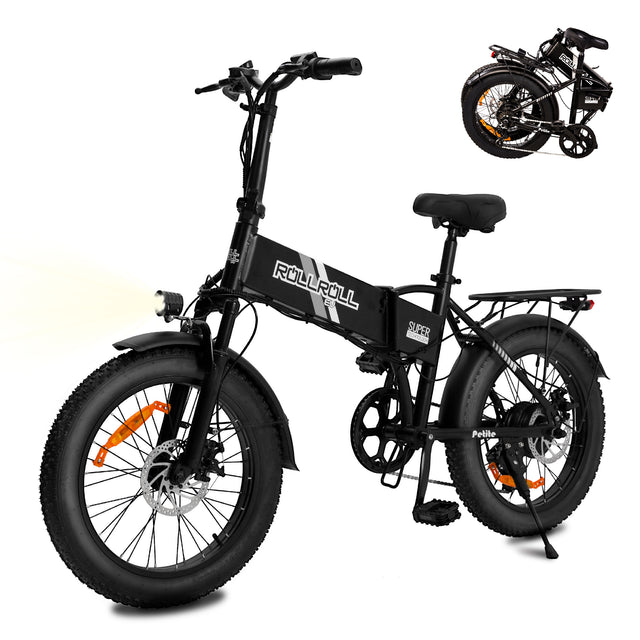 SYX MOTO
20" Fat Tire Electric Bike for Adults, 48V 350W Foldable Ebike with LCD, Max Speed 20MPH 7 Speed 5 Models, UL2849, for Riders 5'4" - 6'4''
$899.00
Shop now →
SYX MOTO
20" Fat Tire Electric Bike for Adults, 48V 350W Foldable Ebike with LCD, Max Speed 20MPH 7 Speed 5 Models, UL2849, for Riders 5'4" - 6'4''
$899.00
Shop now →
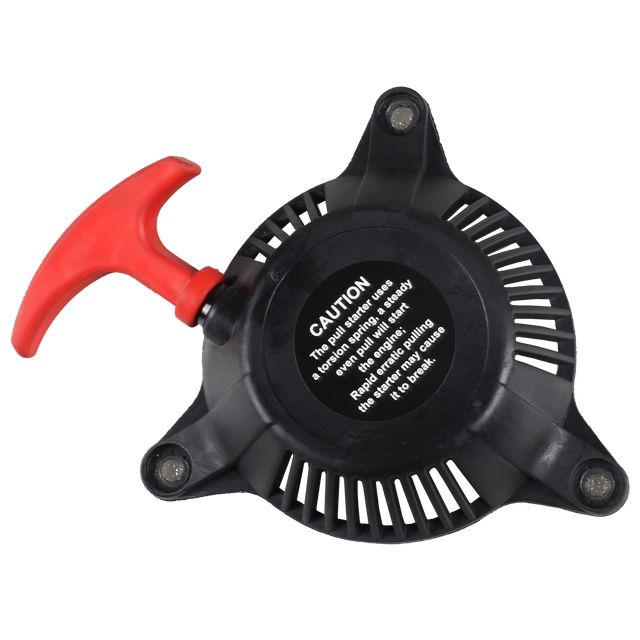 SYX MOTO
Pull Starter for VK 58cc Mini Dirt Bike – Fits Pre or Post April 20, 2026 (Choose Version) (Copy)
$30.00
Shop now →
SYX MOTO
Pull Starter for VK 58cc Mini Dirt Bike – Fits Pre or Post April 20, 2026 (Choose Version) (Copy)
$30.00
Shop now →
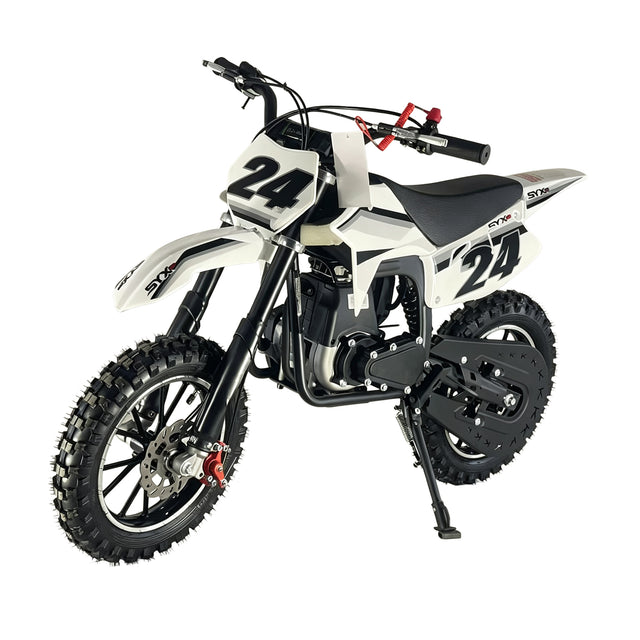 SYX MOTO
TrailBlazer 40cc 4-Stroke Kids Gas Mini Dirt Bike, Automatic Off-Road Pit Bike for Beginners
$599.00
Shop now →
SYX MOTO
TrailBlazer 40cc 4-Stroke Kids Gas Mini Dirt Bike, Automatic Off-Road Pit Bike for Beginners
$599.00
Shop now →
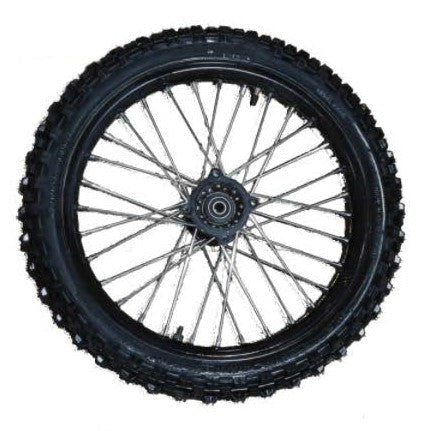 Drift Hero
Front Wheel Assembly - EV Dirt Bike (5000W)
$149.95
Shop now →
Drift Hero
Front Wheel Assembly - EV Dirt Bike (5000W)
$149.95
Shop now →
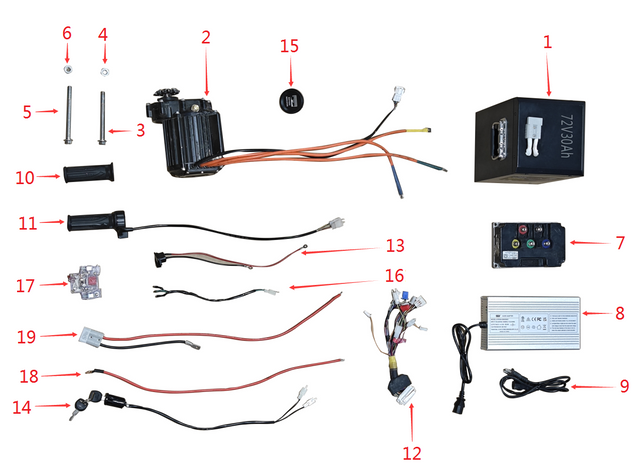 Drift Hero
Motor (72v 5KW) - EV Dirt Bike (5000W)
$389.99
Shop now →
Drift Hero
Motor (72v 5KW) - EV Dirt Bike (5000W)
$389.99
Shop now →
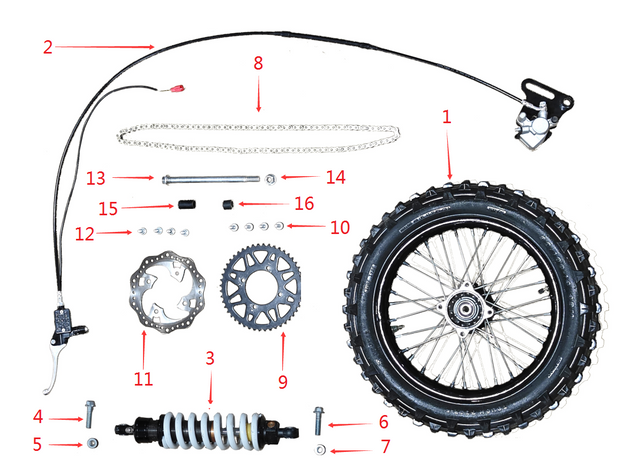 Drift Hero
Chain - EV Dirt Bike (5000W)
$26.00
Shop now →
Drift Hero
Chain - EV Dirt Bike (5000W)
$26.00
Shop now →
The short answer: who each kind suits best
Beginners benefit most from lightweight four-stroke bikes in the 125–250cc range—they offer smooth, predictable power and gentle control. Kids or riders on a tight budget should look at 50–110cc gas models or electric mini bikes, which are cheaper to run and require less maintenance skill. Trail riders and recreational users often prefer mid-range four-strokes (250–450cc) for reliability and fuel efficiency over long distances. Motocross racers and advanced riders typically choose 250–300cc two-strokes for raw power and quick acceleration, or modern four-strokes with advanced suspension tuning. Electric riders seeking zero maintenance and silent operation should budget for premium models with longer battery life. SYX MOTO offers options across multiple engine sizes, making it a straightforward choice if you want a single trusted brand from youth bikes through adult recreational models.
Pick for most people: balanced and reliable
For the majority of riders, a 125–250cc four-stroke strikes the right balance between power, ease of use, and cost. SYX MOTO's mid-range models fit this profile well, offering full-auto or manual transmission options depending on rider preference. Four-strokes start easier, need less frequent rebuilds than two-strokes, and don't require pre-mixing fuel. Fuel efficiency means fewer fill-ups on a day of riding, and spare parts are widely available at reasonable prices. Suspension tends toward predictability rather than extreme compliance, which suits riders learning technical terrain without overspending on adjustability. Resale value on proven four-stroke models remains solid, so your initial investment holds better long-term. This category rarely disappoints and is where most new adult riders settle.
Pick on a tight budget: entry-level machines
If you're spending under $2,000, focus on used 125cc four-strokes or new smaller-displacement models aimed at kids and youth riders. SYX MOTO's 50–70cc mini dirt bikes deliver real performance at under $1,000 new, making them ideal for testing the sport before committing larger money. Alternatively, Drift Hero's electric mini bikes cost $379–$599 and eliminate fuel and oil expenses entirely, though their lower top speed (19 mph on the 1000W model) suits younger riders or backyard play rather than trail adventures. Watch for seasonal sales around Labor Day and Black Friday, when major retailers drop prices by 15–50%. Beginner-focused bikes often come with automatic transmission and governed top speed, reducing the learning curve and lowering insurance. Don't chase performance you won't use—a slower, lighter machine teaches better control than an overpowered hand-me-down.
Pick when you want extra features: premium performance
High-end models from established manufacturers include adjustable suspension, hydraulic clutches, factory-ported cylinder heads, and titanium exhaust systems that make real differences at speed. These bikes cost $7,000–$10,000+ but are built for riders tackling expert terrain or racing. Factory upgrades reduce vibration and heat, improve throttle response, and extend component life under hard riding. Electric premium options like the Heybike Villain ($1,299) or Sur-Ron models offer advanced battery management and integrated app control, though these are niche choices. Team Motorcycle, while primarily a protective gear specialist, works closely with riders who prioritize complete setups, so coordinating your armor alongside a premium gas bike ensures your safety gear matches the machine's capability. At this level, consider buying from a dealer with tuning services, not just a generic online seller, since your bike's performance depends on suspension setup and carburetor tuning.
Specs and materials that actually separate options
Engine type matters most: two-strokes deliver power in a narrower rpm band but accelerate harder, while four-strokes produce smooth, linear power across a wider range. Displacement (50cc to 450cc) determines speed and pulling power; 125cc is a common entry point, while 250–300cc is the motocross standard. Frame material—steel vs. aluminum—affects weight and rigidity; aluminum is lighter but costlier to repair. Suspension travel (typically 200–250mm) cushions impact; longer travel suits aggressive riders and rough terrain. Tire choice (knobby off-road vs. trail-focused) drastically changes grip on different surfaces. Fuel-injection improves cold starts and performance at altitude compared to carburetors, but adds complexity. Four-strokes require oil changes every 5 hours; two-strokes need gearbox oil every 6 hours and pre-mixed fuel. Seat height ranges from 26 inches (youth models) to 34 inches (full-size); wrong height kills comfort and control. Check whether brakes are hydraulic disc (better modulation) or mechanical; modern bikes use hydraulic.
What is safe to skip, and where marketing oversells
Marketing claims about 'maximum ground clearance' or 'race-derived geometry' rarely matter for recreational riding—most buyers never use 90% of a high-end bike's capability. Don't chase titanium exhaust or exotic suspension unless you ride 100+ days yearly; the weight savings don't justify the cost for casual use. Electric power modes that mimic 150cc or 300cc engines sound clever but rarely outperform a simple throttle map you can learn. Branded gear bundles sold alongside bikes are often generic parts marked up 30%; buy protective equipment separately through specialists. Extended warranties beyond three years on gas bikes offer poor value—if something fails, the underlying problem usually surfaces inside the first season. Avoid bikes marketed as 'investment grade' or claiming years-long resale premiums; the market moves fast and personal use history matters more than hype. Two-stroke models claiming 'easier' maintenance compared to four-strokes ignore the pre-mixing ritual and more frequent top-end rebuilds; both require commitment.
How to save money: timing and realistic expectations
Honda offers 'Bonus Bucks' rebates ranging from $700–$1,000 on select models through mid-2026, applied at purchase—check dealer availability. Black Friday (November) and Labor Day (August) bring the deepest discounts, often 15–50% off retail on electric models and last year's gas inventory. Spring riding season events typically offer 15% off broad selections. Online retailers often beat dealer prices by 10%, but include shipping and setup costs in your math; local dealers provide support and warranty service that matters post-purchase. Factory floor models from previous years sometimes sit in warehouse clearance, offering 20–30% savings if the bike sits unsold into the new season. Coupon codes covering dirt bikes are rare and typically cap savings at $50–$100; focus instead on seasonal timing and outlet stock. Watch for bundle deals pairing bikes with protective gear from specialists like Team Motorcycle at discounted rates. Fuel injection models cost more upfront but save on carburetor maintenance, offsetting the initial premium over 3–5 years of ownership.
Mistakes shoppers make, and how to avoid them
The most costly error is buying a bike too powerful for your skill level. Beginning riders often grab the fastest 450cc or race-tuned two-stroke available, then crash while learning control and abandon the hobby. Aim for a machine you can manage comfortably for at least a season before upgrading. Skipping protective gear because the bike itself looks safe is reckless; properly fitted helmets, boots, gloves, and body armor from Team Motorcycle or equivalent prevent life-altering injuries. Many buyers underestimate maintenance: two-stroke top-end rebuilds cost $500–$1,500, and four-stroke valve adjustments add $200–$400 annually. Neglecting these tasks causes sudden failures mid-ride. Choosing seat height purely on looks rather than testing fit leads to tiptoe riding and exhaustion. Watch for instruction manuals that are difficult to parse—some budget models lack clear guidance, leaving you guessing on assembly and oil change schedules. Don't trust solo online reviews; one person's perfect bike may be wrong for different terrain or riding style. Finally, assuming electric requires no maintenance is false; batteries degrade, motors need cooling, and brake service is identical to gas bikes. Factor full ownership costs, not just purchase price, into your decision.
Frequently asked questions
Is a two-stroke or four-stroke better for beginners?
Four-strokes are better for most beginners. They produce smooth, linear power that's forgiving to learn on, require no fuel pre-mixing, and have lower maintenance costs. Two-strokes demand more riding skill and maintenance discipline but deliver more raw acceleration for advanced riders.
How much should I budget for dirt bike maintenance per year?
Two-strokes cost $300–$1,500 annually depending on riding hours (top-end rebuilds are cheaper). Four-strokes cost $400–$1,500 for oil changes, air filter replacement, and valve adjustments. Electric bikes cost less in maintenance but eventually need battery replacement ($500–$2,000).
What's the single most important piece of safety gear?
A DOT-certified helmet is non-negotiable; it reduces moderate-to-severe head injury risk significantly and lowers death risk. Combine it with goggles, gloves, long sleeves, riding pants, ankle-covering boots, and body armor for full protection. Brands like Team Motorcycle specialize in fitting this gear correctly.
Some links on this page are affiliate links. If you buy through them we may earn a commission at no extra cost to you. Prices and availability are taken from the retailer and can change without notice. Compiled by The Found Good editors.