

Exterior lighting shapes how your home looks and functions after dark. Learn the specs, materials, and placement decisions that separate well-lit homes from those with wasted fixtures or dark patches.
What we recommend




Why this purchase goes wrong for most first-time buyers
The biggest mistake is buying fixtures without a plan. Homeowners often grab whatever looks good at a retailer, then find uneven coverage, missing light where they need it most, and fixtures that don't match the home's style or the climate. Another trap is prioritizing brightness over placement—a very bright light in the wrong spot creates glare and shadows that make movement harder, not easier. Water damage is the silent killer: fixtures rated for weather still fail when seals wear out or installation allows moisture to collect at connections. Oversized fixtures that demand attention with exposed bulbs also backfire, turning the outdoor space into a stage set rather than an inviting extension of the home. Finally, many buyers skip maintenance access, buying beautiful fixtures mounted where bulb replacement requires a ladder and swearing.
🔥 Top deals
Real products from the brands in this guide — price as the store listed it
 The DIY Outlet
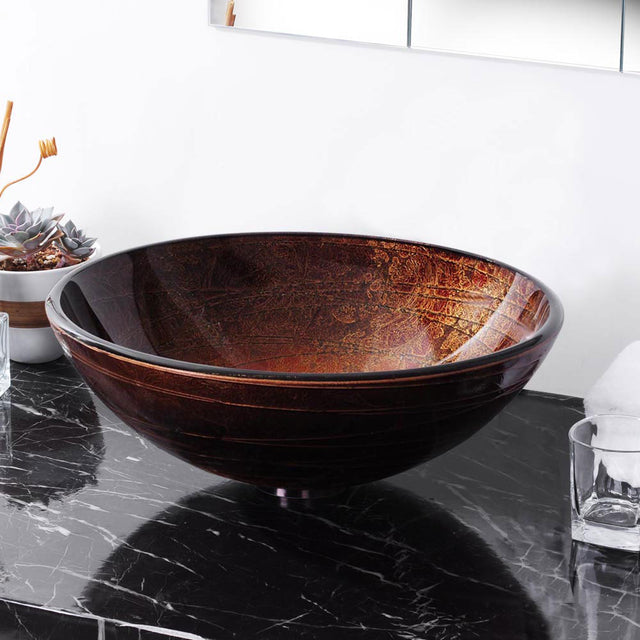
15' Canine Artificial Turf for Pet Facility | Cut-to-Length
$79.79
Shop now →
The DIY Outlet
15' Canine Artificial Turf for Pet Facility | Cut-to-Length
$79.79
Shop now →
 The DIY Outlet
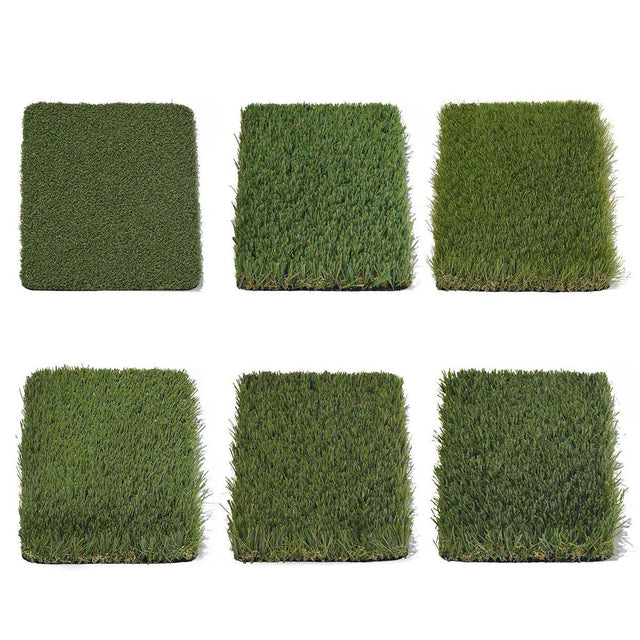
DIY Commercial Artificial Turf for Landscape, Putting Green 13'/15'x Cut-to-Length
$1.60
Shop now →
The DIY Outlet
DIY Commercial Artificial Turf for Landscape, Putting Green 13'/15'x Cut-to-Length
$1.60
Shop now →
 The DIY Outlet
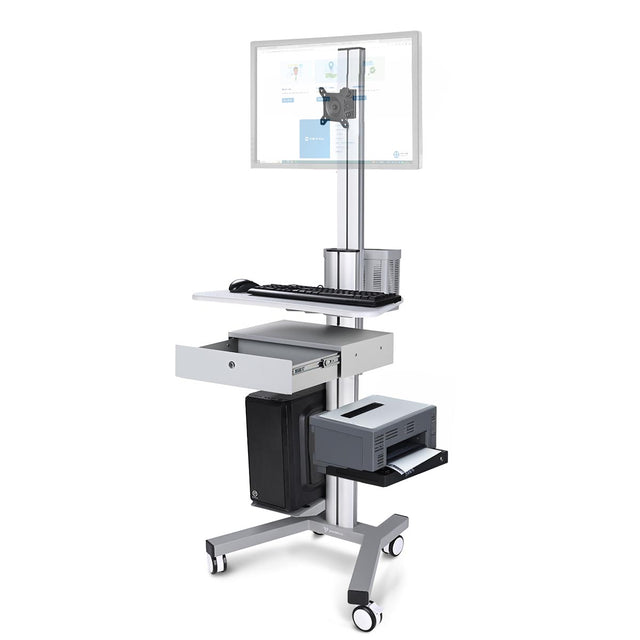
DIY NexusX Mobile Workstation Cart with Locking Storage Drawer
$429.79
Shop now →
The DIY Outlet
DIY NexusX Mobile Workstation Cart with Locking Storage Drawer
$429.79
Shop now →
 GARVEE
Garvee Lawn Leveling Rake, 17" x 10" Level Lawn Tool, Heavy Duty Lawn Leveler Tool with 5 FT Extended Handle, Yard Leveling Rake Suit for Garden, Golf Lawn, Far
$41.99
Shop now →
GARVEE
Garvee Lawn Leveling Rake, 17" x 10" Level Lawn Tool, Heavy Duty Lawn Leveler Tool with 5 FT Extended Handle, Yard Leveling Rake Suit for Garden, Golf Lawn, Far
$41.99
Shop now →
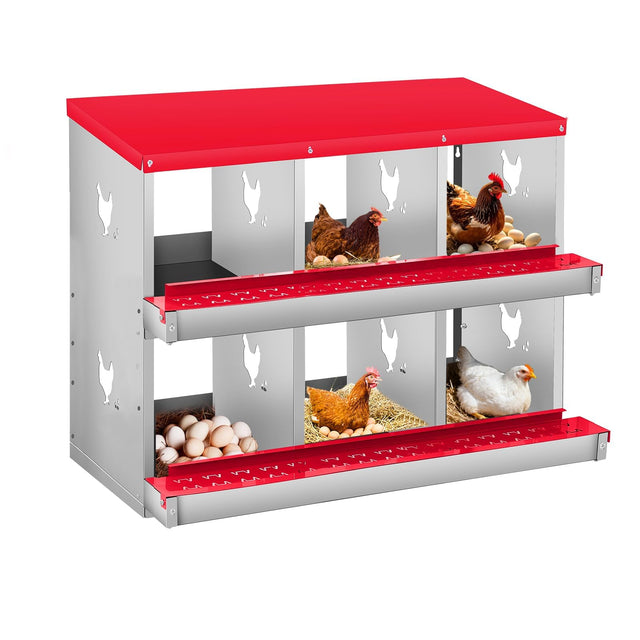 GARVEE
Garvee Chicken Nesting Box, 6 Room Galvanized Steel Laying Boxes, Metal Nesting Boxes for Hens with 10 Pads & 4 Fake Eggs, Easy Egg Collection, Vented Holes Pou
$101.99
Shop now →
GARVEE
Garvee Chicken Nesting Box, 6 Room Galvanized Steel Laying Boxes, Metal Nesting Boxes for Hens with 10 Pads & 4 Fake Eggs, Easy Egg Collection, Vented Holes Pou
$101.99
Shop now →
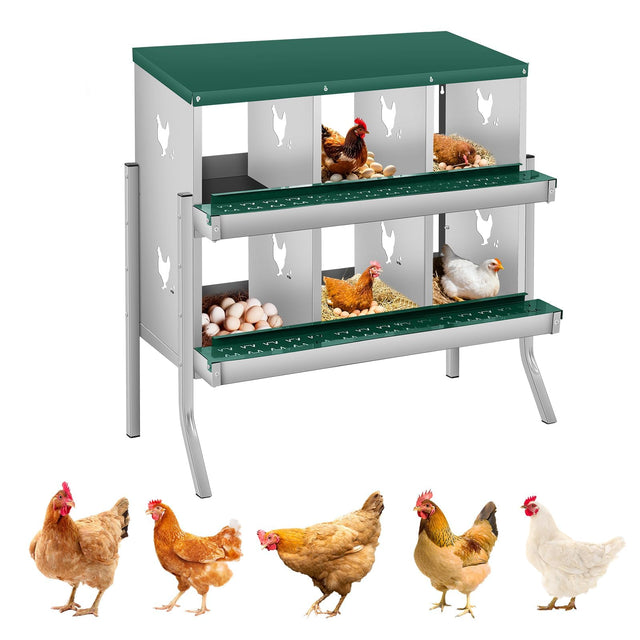 GARVEE
Garvee Chicken Nesting Box with Legs, 6 Room Galvanized Steel Laying Boxes, Metal Nesting Boxes for Hens with 10 Pads & 4 Fake Eggs, Easy Egg Collection, Vented
$123.99
Shop now →
GARVEE
Garvee Chicken Nesting Box with Legs, 6 Room Galvanized Steel Laying Boxes, Metal Nesting Boxes for Hens with 10 Pads & 4 Fake Eggs, Easy Egg Collection, Vented
$123.99
Shop now →
Decide this first: the one question that narrows everything else
Ask yourself: is this light functional or atmospheric? A security light above a garage door needs 700–1,300 lumens and cool color (4000–5000K) to deter intruders and show detail. A porch light or patio fixture needs only 100–300 lumens and warm color (2700–3000K) to set mood and invite entry. Accent lighting for a facade or garden feature can be even dimmer. This split determines everything else: fixture type, brightness, wiring complexity, and budget. Functional lights go on entryways, driveways, and main paths first; atmosphere and decoration come later. Once you know what job each light does, the right fixture almost selects itself. Mixing purposes—trying one light to be both security and ambiance—is where shoppers waste money and live with half-working results.
The specs, materials and sizes that actually matter
Lumens (brightness) matter far more than wattage. For a small porch, 100–200 lumens is enough; for a larger deck or driveway, 700–1,300 lumens is standard. Color temperature (Kelvin) shapes mood: 2700K–3000K is warm and inviting, while 4000K–5000K is sharp and security-focused. IP rating is non-negotiable: IP44 is bare minimum for most climates, IP65 for coastal or heavy-rain regions. Check the fixture's base material—stainless steel and quality aluminum resist corrosion far longer than thin pot-metal or unsealed finishes. LED bulbs are essential outdoors: they run cool, last years longer than incandescent, and maintain consistent color over time. For string lighting like those offered by The DIY Outlet, check that wiring is UV-rated and connectors are sealed against moisture. Size matters for proportion: a tiny porch light overpowered by a huge security fixture looks awkward, so match scale to architecture. Finally, mounting surface must be flat and stable—a sloped or corroded surface breaks the gasket seal and lets water in.
The trade-offs, and what is safe to skip
Smart controls and app integration sound useful but fail outdoors: Wi-Fi signals weaken, homeowners forget passwords, and the control never justifies the cost. Skip them for your first purchase. Motion sensors are worth it for security and garages but overkill for accent lighting. Dusk-to-dawn photocells are reliable and cheap, so invest there instead. Tunable white (adjustable color temperature) is trendy but adds cost and complexity; choose one color that matches your home's style and stick with it. Colored or changing lights work for holiday decoration but tire quickly on permanent fixtures—stick to warm or cool white. You can skip remote controls, RGB color effects, and Bluetooth pairing without losing safety or comfort. What you should not skip: weatherproofing, quality seals, and corrosion-resistant materials. A cheap light that fails in rain costs more to replace than a mid-range fixture that lasts a decade.
Sizing, fit or capacity: how to get it right the first time
Start by mapping your exterior in zones: entry/porch, driveway/garage, deck/patio, walkways, and accent areas. Each zone gets a different light type and brightness. A front door needs one or two wall-mounted fixtures at roughly head height (5–6 feet), each delivering 200–300 lumens of warm light to welcome guests. A driveway or garage needs floodlights or wall packs delivering 1,000–1,500 lumens in cool white, mounted at 8–10 feet for even ground coverage. Deck or patio lighting works best layered: path lights at ground level (50–100 lumens each, spaced 4–6 feet apart), task lights above seating or tables (200–300 lumens), and ambient lighting like The DIY Outlet's LED string lights strung overhead (100–150 lumels per bulb) to set mood without harsh shadows. Accent lighting for plants or building features can be very dim (50–100 lumens). A common error is underestimating how far light spreads: a single 700-lumen fixture illuminates an area much larger than most think, so buy less and add more later rather than oversaturate early. Place fixtures where they won't shine into windows, create glare across sightlines, or cast hard shadows across entry steps.
Who each kind of buyer should look at — name shortlist brands here
For homeowners seeking decorative string lighting and affordable LED fixtures for patios and entertaining, The DIY Outlet offers budget-friendly options starting around USD 20–50 and stocks a range of seasonal and permanent outdoor fixtures. For those needing heavy-duty tools to install or upgrade outdoor wiring and mount fixtures securely, GARVEE provides commercial-grade tools and MRO supplies that handle outdoor projects. Vevor carries a broad range of outdoor equipment including power tools and accessories useful for mounting and maintaining exterior lighting systems in home improvement projects. Arccaptain Welder serves buyers who need to modify or fabricate metal lighting mounts or structural supports, though this is a specialized use case. For most first-time buyers, starting with established lighting brands sold at home centers offers wider selection, better return policies, and local support. The shortlist brands above excel at specific categories but are not general lighting retailers.
Quality and value: what separates a good buy from a cheap one — name brands here
A good outdoor fixture costs more upfront but lasts a decade; a cheap one fails in 2–3 years and costs more in replacements. Quality separates at the seal: open a fixture and look for thick gaskets, stainless-steel hardware, and smooth surfaces with no casting defects. Cheap fixtures use thin rubber seals that crack in UV or cold, or pot-metal hinges that seize outdoors. For string lights like those from The DIY Outlet, check that bulb sockets are potted (sealed with resin) and that the main cable is rated UV-resistant, not standard indoor plastic. A good finish requires multiple layers: surface prep, rust-resistant primer, powder-coat or marine-grade paint, and a topcoat. Cheap finishes chip within a season. LED bulbs matter too: select ones rated for outdoor use (IP65 or higher) and avoiding discount generic bulbs that flicker or fade. A fixture priced at USD 30 versus USD 80 for the same style usually differs in seal quality, finish durability, and hardware, not design. Walk fixtures around the store—the heft and smoothness of operation tell you volumes. If hinges move stiffly or seals feel brittle, the fixture will age poorly. Value is not the lowest price; it is the lowest price that survives three harsh winters without dimming or leaking.
How to save money: when prices drop and what a code realistically covers
Outdoor lighting sales follow seasonal patterns. Prices for permanent fixtures drop in November–December (post-holiday surplus), again in late February (winter clearance), and once more in August (end-of-summer closeout). String lights and seasonal fixtures fall hardest: expect 30–50% off decorative options after major holidays. Buying multi-packs—three or four matching fixtures at once—often unlocks 10–15% bulk discounts, and some retailers offer codes for first-time buyers or email subscribers. Check for free or reduced shipping for orders over a threshold amount. Discount codes almost never apply to already-reduced or clearance items, so watch the fine print; some codes exclude outdoor lighting or large items. Bundling—buying a complete lighting kit rather than picking fixtures à la carte—can save 15–20% if the kit matches your zones. Generic fixtures are cheaper than branded ones, but you sacrifice finish quality and warranty length. Labor-saving choices like pre-wired kits or surface-mount fixtures (not buried wiring) reduce installation costs if you are hiring an electrician. The DIY Outlet often advertises seasonal promotions on LED string lights and outdoor décor, so signing up for alerts can catch sales early. Do not let a temporary 10% discount rush a purchase; buy only what fits your plan.
Mistakes shoppers make, and how to avoid them
Mistake one: forgetting to check IP rating and assuming any outdoor light works. It does not—fixtures rated only for damp locations fail in rain or cold. Verify IP44 minimum; IP65 if your region gets heavy weather or salt spray. Mistake two: buying before measuring and planning. Guess-work leads to gaps, overlaps, and wasted fixtures. Sketch your zones, measure heights and distances, and mark mount points before purchasing a single light. Mistake three: mounting on unstable or sloped surfaces. Even weatherproof fixtures fail if the gasket does not seal properly, which happens on uneven walls or corroded metal. Clean and level the surface first. Mistake four: using standard extension cords or indoor-rated wire outdoors. This is dangerous and voids warranty; use only outdoor-rated cabling in buried conduit or armored sleeves. Mistake five: placing lights too close together, creating glare and wasting overlap. Each fixture illuminates an area much larger than most assume; test coverage with temporary lights before permanent install. Mistake six: ignoring maintenance access. Buy fixtures where you can reach bulbs without a ladder or calling a handyman. Mistake seven: burying fixtures in landscape or paint without weatherproofing seams first. Water collects and ruins the fixture in weeks. Avoid all seven, and your exterior lighting will work beautifully for years.
Frequently asked questions
How many lumens do I need for outdoor lighting?
It depends on the zone. Ambient porch light needs 100–200 lumens; task lighting like driveways needs 700–1,300 lumens; accent lighting needs only 50–100 lumens. Start low and add more later rather than oversaturate.
What colour temperature works best for exterior lighting?
Warm light (2700K–3000K) invites entry and suits traditional homes; cool light (4000K–5000K) suits security and modern architecture. Choose one based on your home's style and stick with it.
Why do outdoor lights fail after one winter?
Water intrusion is the most common cause. Cheap fixtures have poor seals that let moisture into connections, causing corrosion and failure. Buy fixtures with quality gaskets, stainless-steel hardware, and marine-grade finish.
Some links on this page are affiliate links. If you buy through them we may earn a commission at no extra cost to you. Prices and availability are taken from the retailer and can change without notice. Compiled by The Found Good editors.