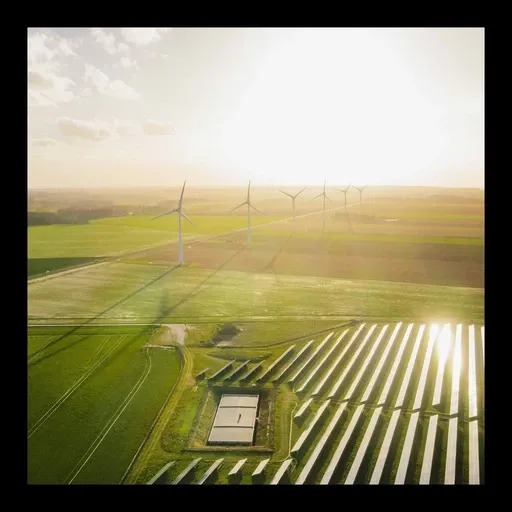


Home outdoor lighting breaks into two main camps: solar-powered fixtures that run free once installed, and hardwired electric systems that plug into your home's power. Your choice comes down to setup effort, brightness needs, and how much you want to pay upfront versus over time.
What we recommend




Two approaches: solar or wired electricity
Solar outdoor lights harness the sun's energy and store it in batteries, lighting your pathways, deck, or garden with zero monthly electricity cost. They're simple to install—just push the stake into soil or mount on a surface, and they start charging immediately. Hardwired electric lights connect directly to your home's electrical system or to low-voltage outdoor wiring, powering on and off as you set them via switch or timer. They draw steady power from the grid, so they run reliably in any weather and don't depend on sunshine. Solar suits renters and anyone who hates trenching wire; wired electric suits permanent installations and spaces where you need reliable, bright lighting every single night.
🔥 Top deals
Real products from the brands in this guide — price as the store listed it
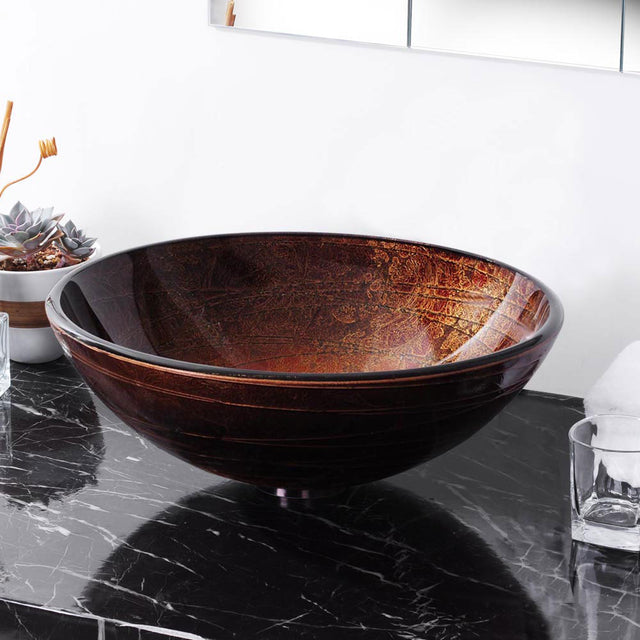 The DIY Outlet
15' Canine Artificial Turf for Pet Facility | Cut-to-Length
$79.79
Shop now →
The DIY Outlet
15' Canine Artificial Turf for Pet Facility | Cut-to-Length
$79.79
Shop now →
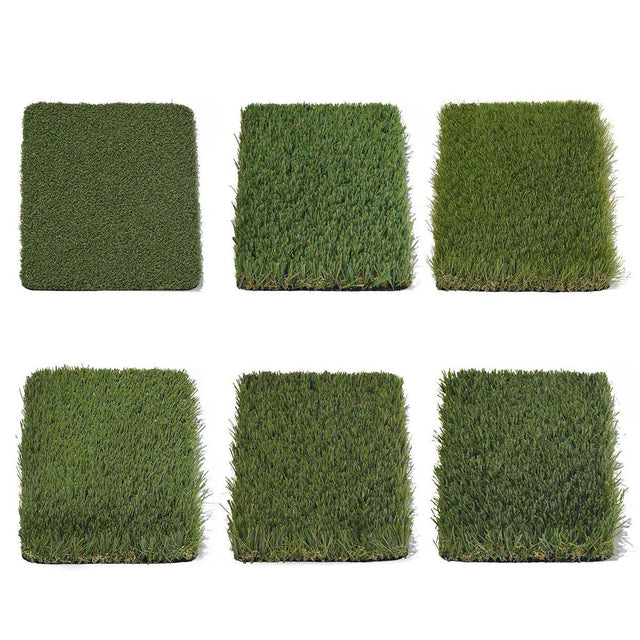 The DIY Outlet
DIY Commercial Artificial Turf for Landscape, Putting Green 13'/15'x Cut-to-Length
$1.60
Shop now →
The DIY Outlet
DIY Commercial Artificial Turf for Landscape, Putting Green 13'/15'x Cut-to-Length
$1.60
Shop now →
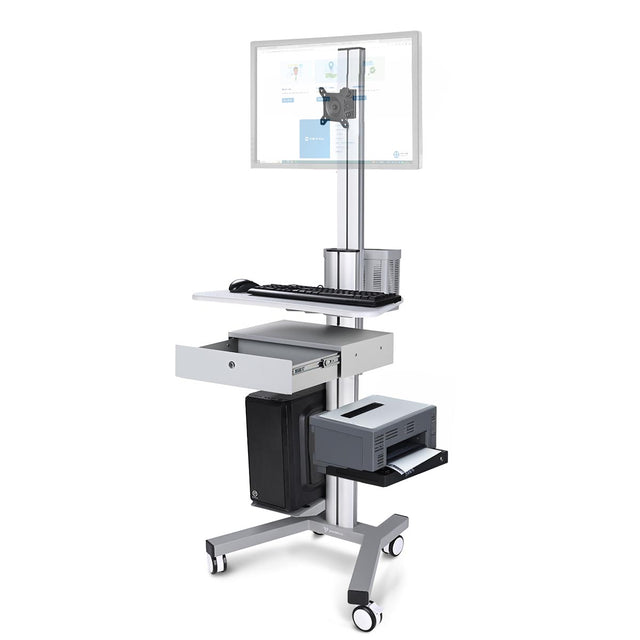 The DIY Outlet
DIY NexusX Mobile Workstation Cart with Locking Storage Drawer
$429.79
Shop now →
The DIY Outlet
DIY NexusX Mobile Workstation Cart with Locking Storage Drawer
$429.79
Shop now →
 GARVEE
Garvee Lawn Leveling Rake, 17" x 10" Level Lawn Tool, Heavy Duty Lawn Leveler Tool with 5 FT Extended Handle, Yard Leveling Rake Suit for Garden, Golf Lawn, Far
$41.99
Shop now →
GARVEE
Garvee Lawn Leveling Rake, 17" x 10" Level Lawn Tool, Heavy Duty Lawn Leveler Tool with 5 FT Extended Handle, Yard Leveling Rake Suit for Garden, Golf Lawn, Far
$41.99
Shop now →
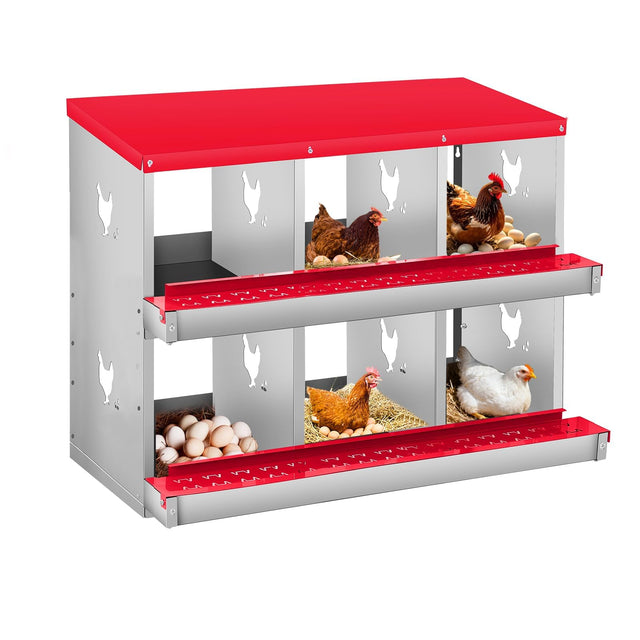 GARVEE
Garvee Chicken Nesting Box, 6 Room Galvanized Steel Laying Boxes, Metal Nesting Boxes for Hens with 10 Pads & 4 Fake Eggs, Easy Egg Collection, Vented Holes Pou
$101.99
Shop now →
GARVEE
Garvee Chicken Nesting Box, 6 Room Galvanized Steel Laying Boxes, Metal Nesting Boxes for Hens with 10 Pads & 4 Fake Eggs, Easy Egg Collection, Vented Holes Pou
$101.99
Shop now →
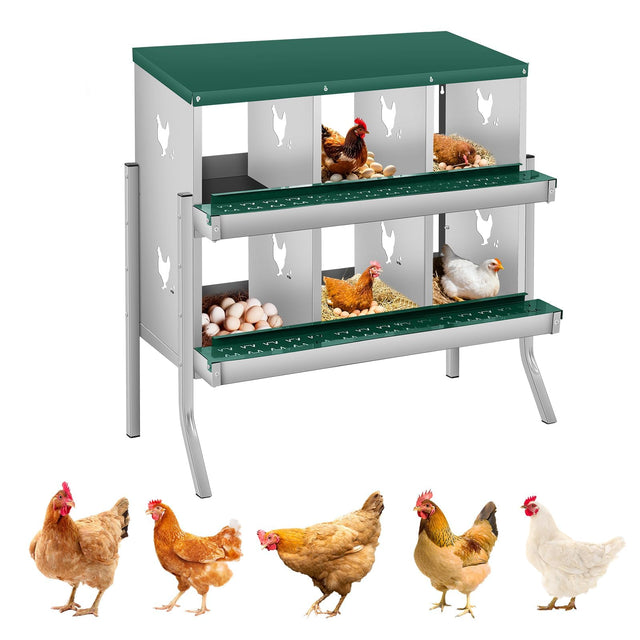 GARVEE
Garvee Chicken Nesting Box with Legs, 6 Room Galvanized Steel Laying Boxes, Metal Nesting Boxes for Hens with 10 Pads & 4 Fake Eggs, Easy Egg Collection, Vented
$123.99
Shop now →
GARVEE
Garvee Chicken Nesting Box with Legs, 6 Room Galvanized Steel Laying Boxes, Metal Nesting Boxes for Hens with 10 Pads & 4 Fake Eggs, Easy Egg Collection, Vented
$123.99
Shop now →
Brightness and performance in real conditions
Modern solar LED lights now produce 1,000 to 3,000 lumens—rivaling traditional wired floodlights in brightness. However, they fade when clouds roll in or after consecutive days without sun, and snow or dust on the solar panel cuts output significantly. Hardwired electric lights deliver full brightness regardless of weather, time of year, or season. If you live in a consistently cloudy region or need lights to perform year-round without fluctuation, wired electric wins. Solar shines for accent lighting, pathway marking, and decorative string lights where perfect brightness matters less. The real gap has narrowed: modern solar LEDs match wired systems on brightness, but not on reliability or consistency.
Running costs and maintenance over five years
Solar lights cost nothing to operate once bought—no electricity bills. But batteries degrade and need replacing every one to two years, typically costing $15–$20 per fixture over five years. Solar panels attract dirt and leaves, so you'll clean them regularly. Hardwired electric lights have a one-time installation cost, then draw power from your grid, running $5–$15 per month depending on wattage and usage. LED bulbs last over ten years with barely any maintenance. The math favors solar if you have just a few pathway lights and don't mind battery swaps; wired electric makes sense if you're running multiple lights nightly because electricity becomes your only recurring expense after installation. A solar light pays for itself in two to four months against a low-voltage electric equivalent, but the upfront cost of solar is usually higher per fixture.
Installation effort and space constraints
Solar lights need no wiring or trenching. Stake models push into loose soil in seconds; deck or post-cap models screw or bolt to existing structures. Any homeowner can handle it in an afternoon. Hardwired systems require running conduit or low-voltage cable from your power source to each fixture, meaning trenching, drilling, possibly hiring an electrician, and routing wire through or around landscaping. Installation can take days and cost hundreds if you need an electrician. Solar wins decisively on ease and speed—no permits, no special skills, no tools beyond a screwdriver. Hardwired electric wins if you already have outdoor power access or don't want cables visible. If you rent or move frequently, solar is painless; if you own and plan to stay, wired electric avoids the hassle of battery swaps forever.
Choose solar if these are your priorities
Pick solar if you want zero installation fuss, no monthly electricity cost, and the ability to add more lights whenever you like. You're a good candidate if you're lighting a pathway, deck edges, or garden beds with moderate brightness needs, or if you rent and can't install permanent wiring. The DIY Outlet and Vevor both stock solar-powered LED string lights and solar accent lights, making it easy to build a system at your own pace. Solar also suits anyone in a mild climate or sunny region. If you like warm, ambient light rather than bright security lighting, solar fixtures deliver that aesthetic. You're not a good fit for solar if you have heavy shade, live somewhere with long cloudy seasons, need bright security floodlighting, or dislike replacing batteries every couple of years.
Choose wired electric if these are your priorities
Hardwired electric is right for you if you need consistent, bright lighting that works the same way every night, or if you're securing a large area and can't compromise on visibility. Choose it if you already have outdoor outlets or don't mind paying an electrician to install a circuit. It's ideal for permanent installations: your home's resale value improves with a professional outdoor lighting system. Wired electric suits anyone in a climate prone to clouds, snow, or heavy shade where solar would underperform. The DIY Outlet stocks LED string lights that plug into existing outlets, giving you the speed of solar with the reliability of wired electricity—a good middle ground if you're mounting lights on your deck or patio where power is nearby. Wired electric is overkill if you're just highlighting a garden bed or lighting a short pathway.
The case for both, and when it's overkill
Many homes benefit from mixing both: solar pathway lights for free nighttime foot traffic guidance, plus a hardwired floodlight or two for security or accent. This pairing lets you enjoy solar's simplicity where brightness is secondary, and electric's reliability where it matters. It's not overkill if you have a large lot with varied lighting zones. However, if your space is small—a tiny patio or short front walk—picking just one system keeps things simple and saves money. Don't install both just for the sake of it. Instead, ask: where do I need reliable, bright light every night? (Hardwired.) Where is decorative or accent light okay? (Solar.) A modest home usually gets by with just one system; larger properties or mixed-use outdoor areas justify both.
How to find deals: timing and coupon codes
Solar outdoor lights and LED string lights drop in price during spring garden season (March–May) and again in summer (June–July) as retailers clear inventory before fall. Watch for solar light bundles in April and May; multi-packs offer better per-fixture pricing than singles. Hardwired lighting systems rarely see deep discounts, but you can save on installation by buying all components at once from one retailer. Many coupon codes cover entire outdoor categories rather than specific products, so check a brand's homepage before checkout. Vevor and The DIY Outlet run seasonal sales on outdoor lighting; sign up for their email lists to catch discounts before they're advertised. Avoid buying solar lights in fall or winter when daylight is scarce and they'll sit unused in inventory—buy them ready to install and enjoy them immediately.
Common mistakes when choosing between the two
The biggest mistake is buying solar for a shady corner or under trees. Solar lights need direct sun for at least four to six hours daily; if your space doesn't get that, you'll be disappointed in brightness and battery life. Another trap is underestimating installation cost for hardwired systems—if you don't have an outdoor circuit, hiring an electrician can double the project price. Don't assume all solar lights are the same: cheap models (under $15) often have weak batteries that fail after one season, so budget $30–$50 per fixture for reliable solar with a two-year battery life. Some shoppers buy hardwired just because it's brighter, then overspend on lights they don't need. Match brightness to the space: pathway lights need 100–300 lumens; accent lighting needs 300–1,000; security lighting needs 1,000+. Finally, ignore your climate at your peril. If you live in a region with frequent cloud cover or heavy winter snow, solar underperforms and wired electric pays dividends. Test the option that fits your environment before committing to a whole system.
Frequently asked questions
Do solar lights really work in cloudy climates?
Solar lights work in cloudy regions but at reduced brightness and battery capacity. If your area has frequent cloud cover, overcast days, or heavy winter snow, they'll underperform compared to hardwired electric. In sunny climates (6+ hours daily sun), they work reliably. Test one fixture before buying a full set.
What's the total cost of ownership over ten years?
A single solar light costs $30–$50 upfront plus $15–$20 in battery replacements over ten years—roughly $50–$70 total per fixture. A hardwired light costs $20–$40 plus installation ($200–$1,000 depending on distance and electrician rates) plus $60–$120 in electricity over ten years. Solar wins for one or two lights; hardwired wins for five or more lights.
Can I mix solar and wired lights in the same system?
Yes. Most homeowners combine solar pathway lights (free, simple) with one or two hardwired security floodlights (reliable, bright). Use solar for decorative accent lighting and wired electric where you need guaranteed brightness. There's no compatibility issue—they operate independently and don't interfere with each other.
Some links on this page are affiliate links. If you buy through them we may earn a commission at no extra cost to you. Prices and availability are taken from the retailer and can change without notice. Compiled by The Found Good editors.