


A good speaker system transforms how you experience music, movies, and gaming by filling your room with clear, balanced sound. Before buying, you need to match speaker type and size to your room, decide between active and passive designs, and understand which specs actually affect sound quality rather than just sounding impressive.
What we recommend




Why this purchase goes wrong for most first-time buyers
Most first-time speaker buyers skip the most important step: being honest about what they actually need. You might choose a system based on peak wattage ratings or shiny specs, then discover it doesn't fit your room or connect easily to your devices. Another frequent mistake is buying without listening first. No review or lab measurement can guarantee a system will sound good to your ears. Mismatching speaker size to room size creates the worst sonic disasters—large speakers in small rooms produce boomy, overwhelming bass, while compact speakers in cavernous spaces sound thin and strained. Ignoring compatibility with your TV, gaming console, or phone means you spend months hunting for the right cable or fighting with pairing issues. Finally, chasing raw power instead of sound character leaves you with speakers that play loud but sound harsh or fatiguing after an hour.
- Skipping the listening test before purchase
- Choosing speakers by wattage or specs alone
- Mismatching speaker size to room dimensions
- Not checking device compatibility beforehand
- Prioritizing volume over tone and balance
🔥 Top deals
Real products from the brands in this guide — price as the store listed it
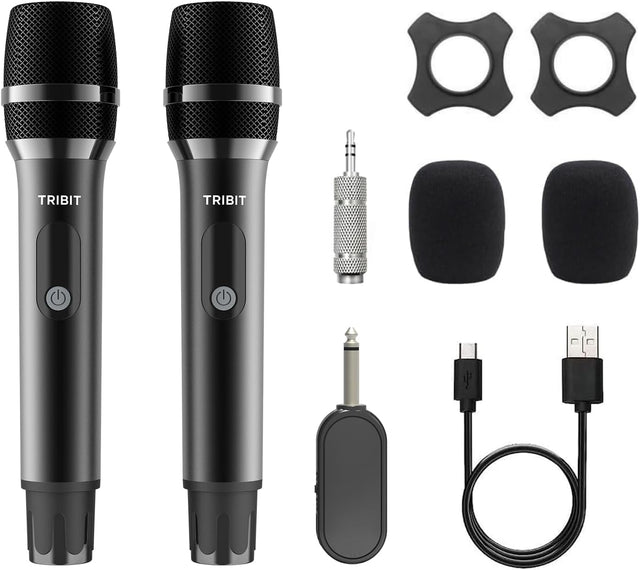 Tribit
TRIBIT Wireless Dual Microphone System
$59.99
Shop now →
Tribit
TRIBIT Wireless Dual Microphone System
$59.99
Shop now →
 Tribit
TRIBIT Tote Bag (NOT Sold Alone)
$0.00
Shop now →
Tribit
TRIBIT Tote Bag (NOT Sold Alone)
$0.00
Shop now →
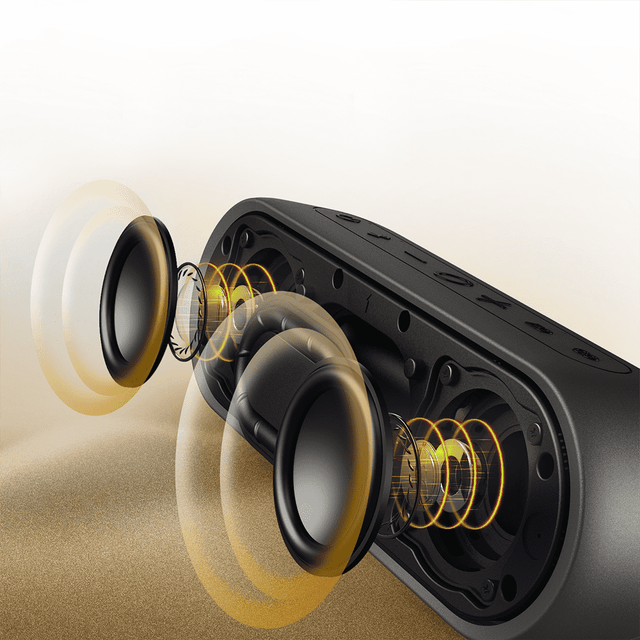 Tribit
XSound Plus Portable Bluetooth Speaker Wireless Indoor and Outdoor Speaker, Audio Speaker for Home, Travel & Outdoor Use
$89.99
Shop now →
Tribit
XSound Plus Portable Bluetooth Speaker Wireless Indoor and Outdoor Speaker, Audio Speaker for Home, Travel & Outdoor Use
$89.99
Shop now →
 Focus Camera
Garmin CIRQA Smart Band Health and Fitness Tracker (Captain Blue, S-M)
$199.99
Shop now →
Focus Camera
Garmin CIRQA Smart Band Health and Fitness Tracker (Captain Blue, S-M)
$199.99
Shop now →
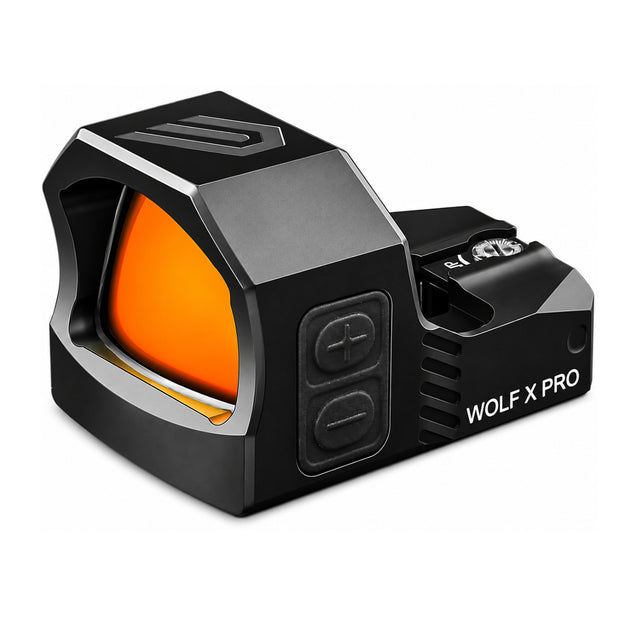 Focus Camera
Cyelee Wolf X PRO RMR 2-MOA Dot + 26-MOA Circle Multi-reticle System Dot Sight
$235.99
Shop now →
Focus Camera
Cyelee Wolf X PRO RMR 2-MOA Dot + 26-MOA Circle Multi-reticle System Dot Sight
$235.99
Shop now →
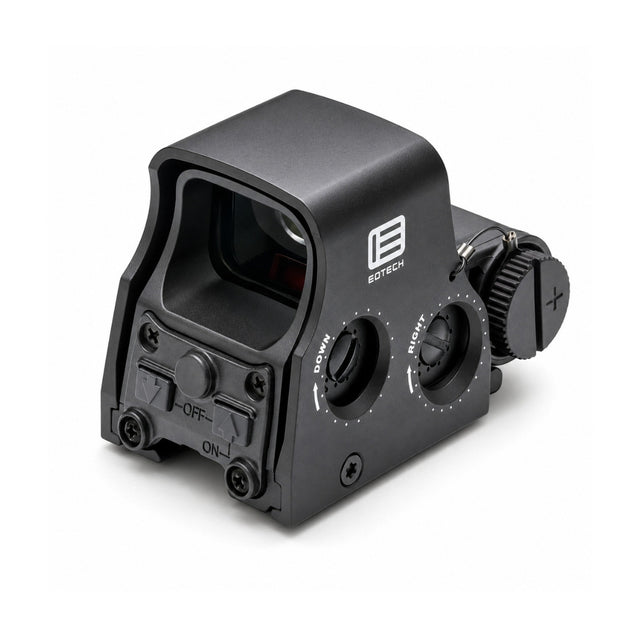 Focus Camera
EoTech Single CR123 battery;reticle with 68 MOA ring and 1MOA dot
$649.00
Shop now →
Focus Camera
EoTech Single CR123 battery;reticle with 68 MOA ring and 1MOA dot
$649.00
Shop now →
Decide this first: the one question that narrows everything else?
Ask yourself: are you building a full surround home theater system, upgrading a desktop or bookshelf setup, or buying portable speakers for outdoor use? This single question eliminates 70% of the options immediately. Home theater demands 5.1 or 7.1 configurations with distinct channels for dialogue, effects, and surround ambience. A desktop system needs compact powered speakers with USB or analog inputs already built in. Outdoor or portable use requires sealed cabinets that resist humidity and physical shock. Only after answering this do you evaluate room size, budget, and existing equipment. Everything else—speaker type, driver sizes, amplifier power, connectivity options—flows from this foundational choice. Trying to find "the best speakers" without first answering this question is like shopping for a vehicle before deciding between a car, truck, or motorcycle.
- Home theater surround system (5.1, 7.1, or 9.1)
- Stereo bookshelf or powered desktop setup
- Portable Bluetooth or outdoor speakers
- Whole-home distributed audio system
The specs, materials or sizes that actually matter
Frequency response tells you the range of sounds a speaker can reproduce—look for 20 Hz to 20 kHz as the baseline, with a tolerance of ±3 dB or tighter (smaller numbers mean flatter, more accurate sound). Ignore claims like ±20 dB; that's meaningless variability. Nominal impedance, listed in ohms, matters only if you're buying passive speakers for a separate amplifier; 8Ω is the standard that works with any amp. For powered speakers and home theater, impedance is handled internally. Driver size—tweeter diameter for treble, woofer diameter for bass—roughly predicts how much air the speaker moves. An 8-inch woofer suits small to medium rooms, 12-inch drivers work for most home theater, and 15-inch handles large, open spaces. Don't assume bigger always sounds better; a well-designed 6-inch driver in the right enclosure beats a poor 10-inch design. Materials matter: mica-reinforced polymer woofers resist warping, silk dome tweeters offer smoother treble than cheaper paper cones, and braced cabinets reduce unwanted resonance. Sensitivity, measured in dB, shows how loud a speaker plays at a given distance; 87 dB means you need more amplifier power, while 92 dB plays louder with less power.
- Frequency response: 20 Hz–20 kHz with ±3 dB tolerance
- Driver size: 8" for small rooms, 12" for average, 15" for large
- Cabinet material and internal bracing quality
- Tweeter type: silk dome or hard materials for clarity
The trade-offs, and what is safe to skip
Skip peak wattage entirely. A 1000-watt rating means nothing if it's only at extreme distortion levels; look instead for RMS power, which is what the speaker actually delivers continuously. You can safely ignore fancy driver materials and exotic names—good sound comes from engineering, not exotic branding. Most casual listeners cannot hear the difference between a silk dome tweeter and a well-engineered paper cone when both are tuned well. Active speakers (with built-in amplifiers) trade upgrade flexibility for simplicity; you cannot swap the amp later, but you never need to match components or hire an installer. Passive speakers require an amplifier but let you upgrade each piece independently. For home theater, accept that surround speakers do not need to match your mains exactly in tone; sitting to the side or rear, they handle effects and ambience, not dialogue. A center-channel speaker from the same manufacturer as your left and right is far more critical. Dolby Atmos adds height channels and immersion but requires ceiling speakers or upward-firing drivers, which many people do not need for enjoyable movies. Wireless connectivity (Bluetooth, WiFi, AirPlay) is convenient but introduces minor latency; wire it if possible for TV and gaming, use wireless for music.
- Peak wattage ratings—RMS power is what actually matters
- Exotic driver materials in budget models
- Perfect tonal matching for surround speakers
- Dolby Atmos unless you have ceiling space
- Wireless-only audio for gaming and TV
Sizing, fit or capacity: how to get it right the first time?
Start with room dimensions and acoustics. A living room under 200 square feet works with compact bookshelf speakers or a good soundbar plus subwoofer; a 300–500 square-foot space suits mid-size floorstanding speakers; anything larger benefits from full 5.1 or 7.1 surround setups. Hard surfaces like tile, hardwood, or glass reflect sound and create echo, so you may need absorptive materials or strategically placed rugs; soft surfaces like carpet and curtains naturally dampen reflections. Listen to prospective speakers in your actual room or a similar one if possible. Speaker placement matters more than size: ideally position mains at ear level when seated, angled toward your listening position. Polk Audio and Bowers & Wilkins offer floor-standing models for larger rooms where they can breathe. For smaller spaces, consider Tribit's portable Bluetooth speakers or compact powered monitors that sit on shelves without dominating the room. Subwoofer placement tests the room's acoustics; the crawl method—placing the sub at your listening seat and walking the room to find the smoothest bass—reveals the best location. Corner placement amplifies bass by up to 6 dB but often sounds boomy; the rule of thirds (one-third into the room from the wall) provides smoother, more even response. Multiple smaller subwoofers eliminate hot spots and null zones better than a single large unit.
- Under 200 sq ft: compact bookshelf or soundbar + sub
- 200–400 sq ft: mid-size bookshelf or small floorstanding
- Over 400 sq ft: floorstanding or full surround system
- Test subwoofer position using the crawl method
Who each kind of buyer should look at—name shortlist brands here
If you prioritize punch, detail, and award-winning design in a home theater system, Bowers & Wilkins delivers premium craftsmanship; their 606 S3 bookshelf speakers are noted among the best hi-fi options, though they command a premium price. For value-driven buyers who want solid performance without bleeding dollars, Polk Audio builds speakers across all price points—their Signature Elite series suits living rooms, and their Atrium line handles outdoor use, making them versatile for growing systems. Buyers seeking portable, battery-powered audio should consider Tribit, which specializes in Bluetooth speakers ranging from compact models to sturdier, louder options like the StormBox Blast 2, ideal for patios, parties, or travel. For retailers offering speaker selection and A/V furniture to house them, Focus Camera carries a range of Bluetooth speakers and components. Customers building full home theater installations should match their budget to their room size and upgrade in stages: start with good left, center, and right speakers, add surround speakers and subwoofer later, then Atmos heights last. This staged approach prevents overspending upfront and lets you tune each addition to your room.
- Premium sound and design: Bowers & Wilkins
- Flexible value across price points: Polk Audio
- Portable and battery-powered: Tribit
- Retailers with speaker selection: Focus Camera
Quality and value: what separates a good buy from a cheap one—name brands here?
Real quality shows in cabinet construction and driver tuning, not flashy specs. Bowers & Wilkins designs each speaker to sound coherent across the frequency range—bass integrates smoothly with midrange, which blends into treble without peaks or dips that tire your ears. Cheaper speakers often have disconnects: boomy bass that overwhelms, scooped midrange that makes vocals sound hollow, and harsh treble that pierces. Polk Audio balances aggressive pricing with honest engineering—their Signature series uses real mica-reinforced woofers and vented cabinets tuned by ear and measurement, not random guesses. Mid-range speakers ($200–800 per pair) offer the best value-to-quality ratio; they've moved beyond the mistakes of budget designs but avoid the exotic materials of ultra-premium models. Under $200 per pair, driver materials shrink, cabinet bracing lightens, and amplifier circuits cut corners. Above $2000 per pair, you're paying for rarity, brand heritage, or marginal improvements in distortion that your ears might not detect. Tribit's portable Bluetooth speakers punch above their weight for outdoor and travel use by tuning drivers for efficiency rather than raw power. The real quality test is listening for one to two hours; cheap speakers fatigue you with harsh midrange or excessive treble, while good ones let you forget the equipment and enjoy the content. Room acoustics matter too: even excellent speakers sound poor in highly reflective rooms with no absorption.
- Smooth frequency response without peaks or dips
- Proper cabinet bracing and driver materials
- Mid-range pricing ($200–800) offers best value
- Listen for 1–2 hours before deciding
How to save money: when prices drop and what a code realistically covers?
Speaker prices drop most during major shopping events: January after the holidays, February clearance sales, Black Friday and Cyber Monday in November, and Boxing Day sales in late December. These periods see discounts of 15–30% on established models, especially when new versions release. Premium brands like Bowers & Wilkins rarely discount more than 10–15%, while Polk Audio and mid-tier brands often drop 20–25%. Coupon codes for speakers are limited; most manufacturers offer 5–10% off in bundle deals (e.g., buy left, center, right speakers together), not on individual items. Retailers sometimes advertise "free shipping" or "free mounting" as the main incentive rather than price cuts. Shopping during holiday returns periods (late December through February) opens access to open-box or customer-return inventory at 20–30% discounts. End-of-model clearance happens when new speaker lines launch; last year's models drop sharply as retailers make shelf space. Buying speakers during these windows is reasonable, but do not hold out waiting for deep sales if you find a model that fits your room—good speakers rarely drop by more than 30% even in peak sale season. Subscribe to retailer newsletters and check major electronics sites monthly; the same model fluctuates $50–150 over weeks, and buying during a natural dip saves money without requiring promotional codes.
- Best discount windows: January, February, November, December
- Expect 15–30% off mid-tier brands, 10–15% off premium
- Look for open-box or customer-return inventory
- Bundle deals often yield bigger savings than single items
Mistakes shoppers make, and how to avoid them
Mistake one: assuming bigger wattage equals better sound. A 100-watt amp powering efficient speakers outruns a 500-watt amp with inefficient drivers. Focus on rated sensitivity and match amplifier power to that efficiency curve. Mistake two: placing the subwoofer in a corner because "it's out of the way." Corners acoustically amplify bass and create boomy, muddy lows. Use the crawl method or rule of thirds for placement. Mistake three: wiring all speakers with cheap RCA or speaker cables. Damaged, kinked, or poorly shielded cables introduce noise. Spend $1–2 per foot on quality speaker cable; it pays for itself in clarity. Mistake four: ignoring room acoustics and assuming speaker quality alone solves everything. Hard-surfaced rooms (kitchens, tile bathrooms) reflect sound harshly; soft-furnishings (rugs, curtains, couches) absorb it. Moving a speaker 12 inches or adding a rug sometimes changes the sound more than upgrading the speaker itself. Mistake five: chasing perfect tonal matching across all speakers. Your center channel and mains should match (same manufacturer and series), but rear surrounds do not need identical tweeter type—they're handling ambient effects 8–10 feet away, not critical dialogue. Mistake six: buying passive speakers without first confirming you have an amplifier or receiver ready. Unboxing beautiful speakers only to realize you need a separate $500 amplifier wastes time and money. Confirm your amplifier or receiver's speaker connectors and power before purchase. Mistake seven: skipping the audition step because of convenience. Buying based purely on online reviews means you skip the 1–2 hour listening test that reveals whether the speakers suit your ears and room.
- Wattage without efficiency rating is meaningless
- Corner placement amplifies bass, creating boom
- Use proper speaker cables to avoid noise
- Room acoustics matter as much as speaker quality
- Audition speakers in your room before committing
Frequently asked questions
Should I buy active or passive speakers?
Active speakers have built-in amplifiers and suit desks, small rooms, and those who want simplicity. Passive speakers require a separate amplifier but let you upgrade components independently and work better for full home theater systems. Choose active for compact setups, passive for larger, future-proof installs.
How many channels do I need for home theater?
A minimum 5.1 setup (left, center, right, two surrounds, subwoofer) provides true surround immersion. Smaller rooms can work with 3.1, while 7.1 or 9.1 setups excel in large spaces. Start with good left, center, and right speakers, then add surrounds and subwoofer based on room size and budget.
What is the best way to position speakers in my room?
Place left and right speakers at ear level, angled toward your listening seat. The center channel should align with your TV at ear level or slightly above. Subwoofers work best one-third of the way into the room from the wall; test placement using the crawl method. Surround speakers go 1–2 feet above ear level on side or rear walls.
Some links on this page are affiliate links. If you buy through them we may earn a commission at no extra cost to you. Prices and availability are taken from the retailer and can change without notice. Compiled by The Found Good editors.