The Casserole Network Always Knows
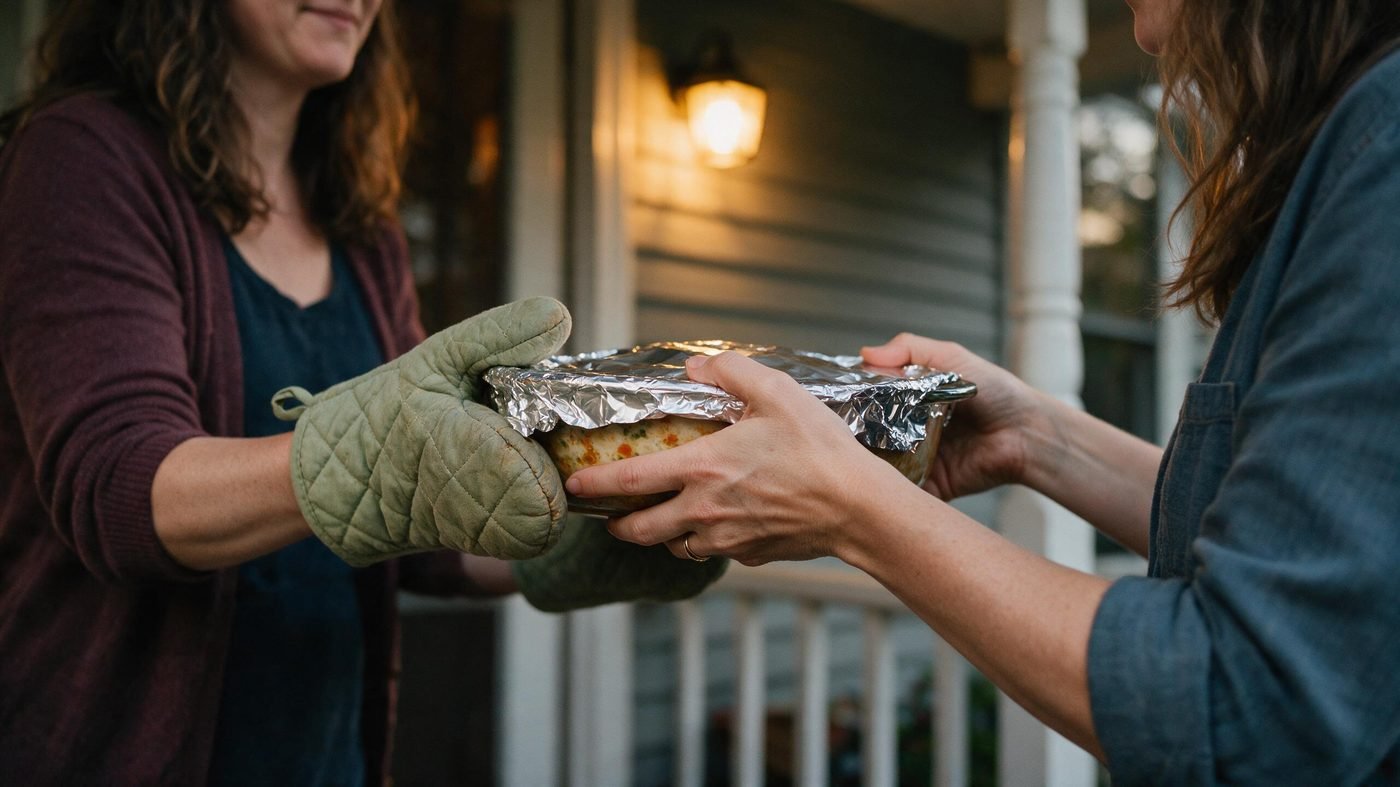
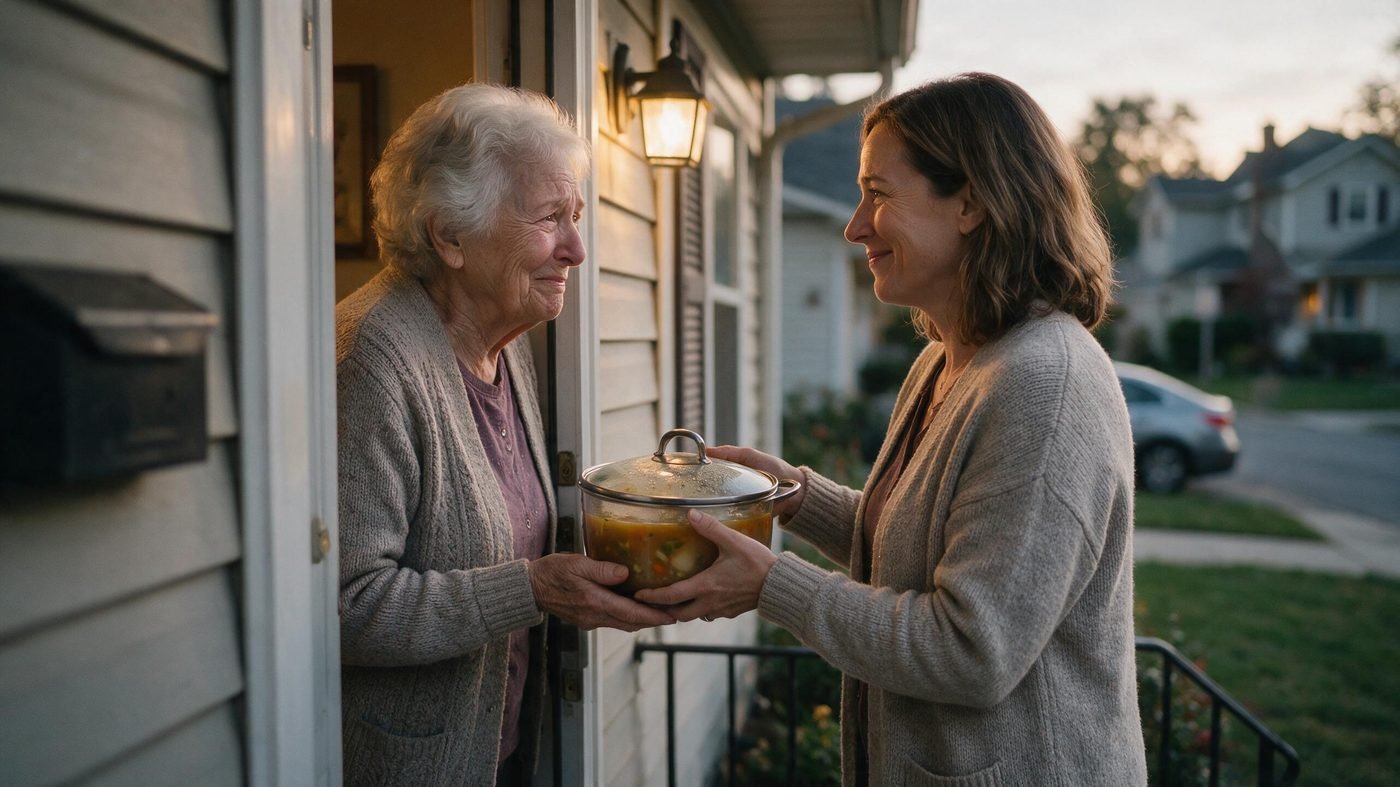
No one runs it. No one signed up for it. There is no group chat, no chairman, no list — and yet within hours of bad news reaching a street, the food begins to move. A lasagna appears on a porch. A soup is handed over a fence. Someone's teenager is dispatched with a foil-wrapped loaf and instructions not to linger.
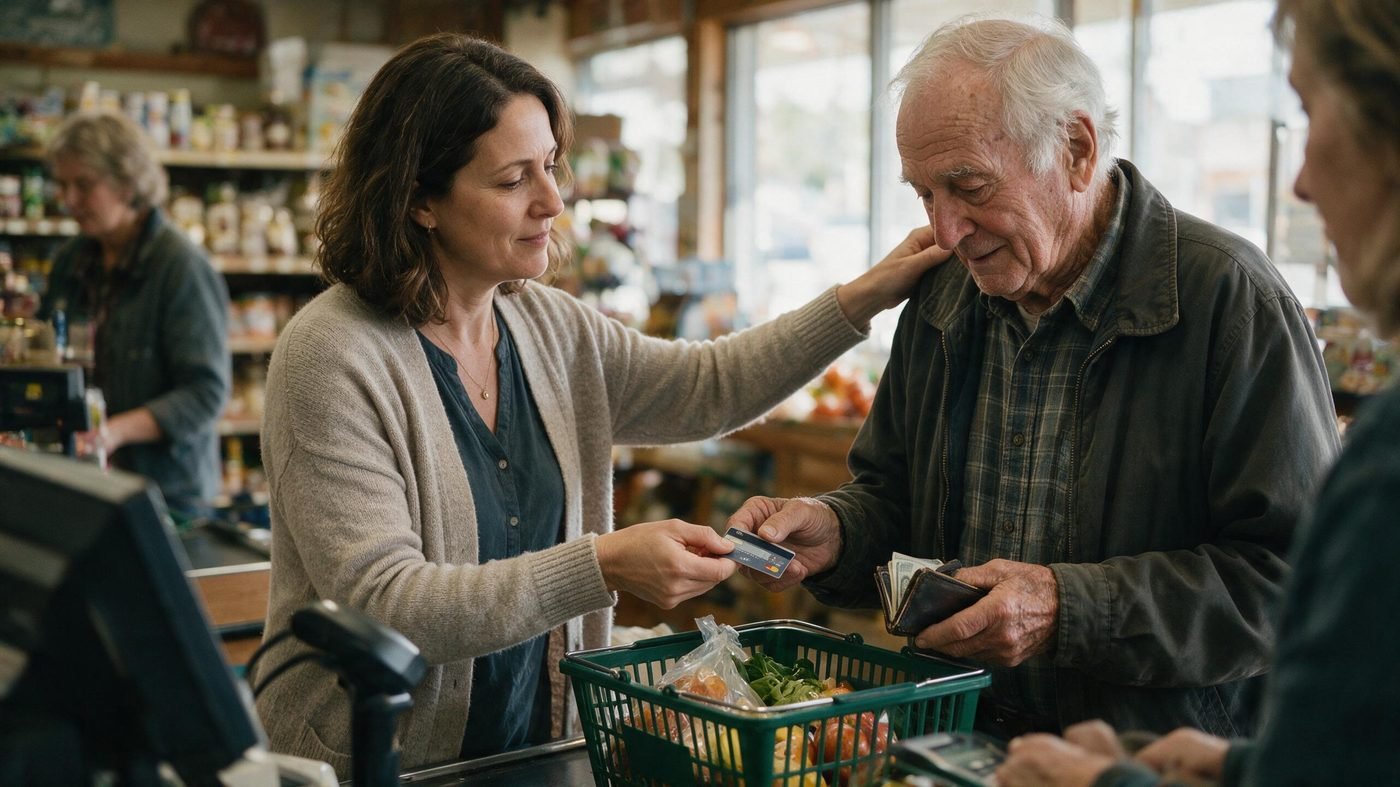
The casserole network is the oldest mutual-aid system in existence, and its genius is that it solves the exact problem grief creates. A family in crisis cannot answer "what do you need?" — the question is too big. Food skips the question. It says: you will not have to think about dinner, and you will not have to think about whether anyone knows. We know. Eat.
The dishes themselves are chosen with quiet strategy. Casseroles freeze. Soups keep. Banana bread requires no plate, no fork, no conversation at the door. The entire menu of condolence cooking has evolved toward one requirement: it must be deliverable in ninety seconds by a neighbor who does not want to intrude and eatable at midnight by a person who forgot to eat.
And the empty dish comes back — weeks later, washed, with a note. That return trip matters more than it looks. It reopens the door in the other direction, turns receiving back into neighboring, and quietly signals the worst is passing.
If you have ever wondered whether your street has one of these networks, it does. It is dormant, like a well-maintained fire station. You will find out the day you wish you didn't have to — when the doorbell rings, and there stands someone you barely know, holding dinner.