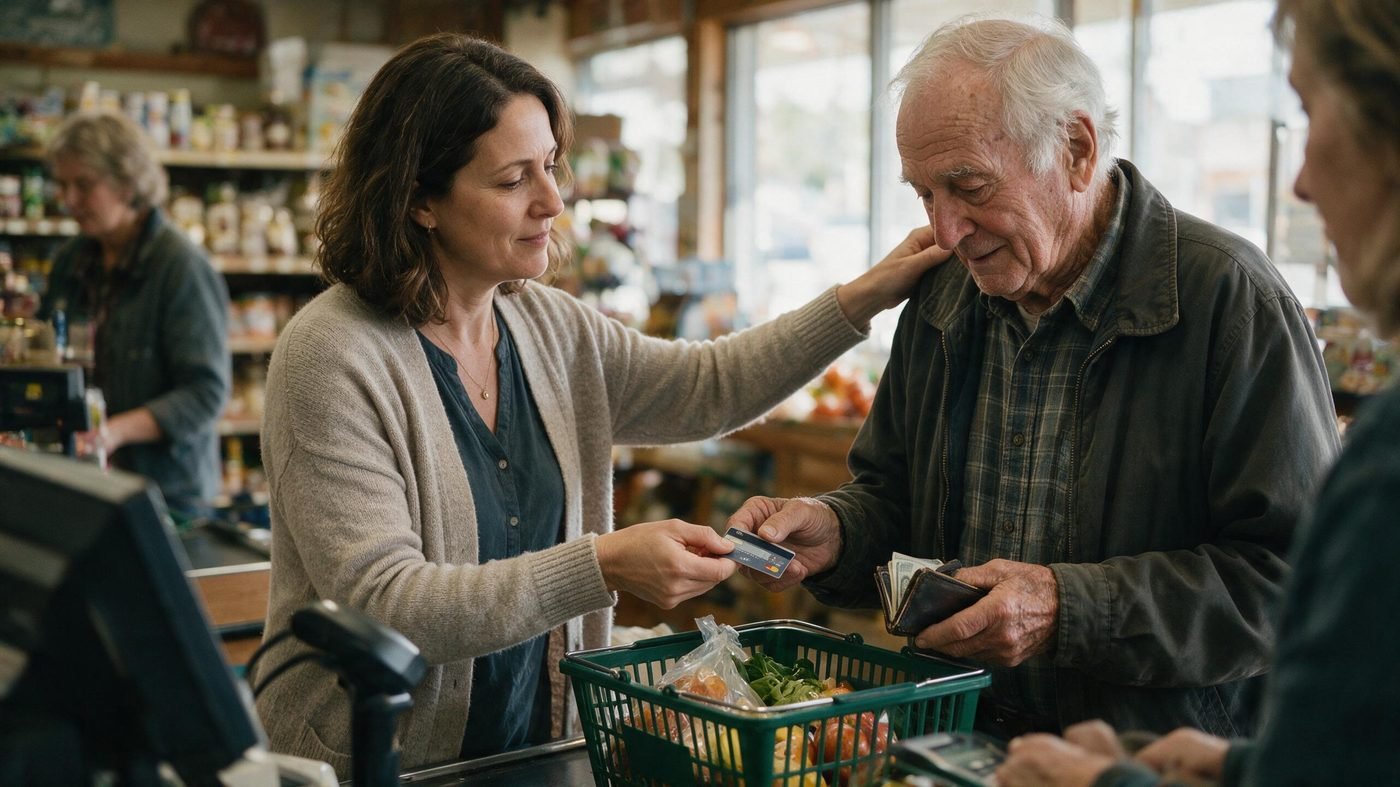
 Kindness
Why We Remember the Strangers Who Were Kind to Us
Decades later, most of us can still name a stranger who was kind to us once — and almost none of the people who were rude. There is a reason those moments refuse to fade.
Stories of kindness, community, and second chances
Kindness
Decades later, most of us can still name a stranger who was kind to us once — and almost none of the people who were rude. There is a reason those moments refuse to fade.
Decades later, most of us can still name a stranger who was kind to us once — and almost none of the people who were rude. There is a reason those moments refuse to fade.
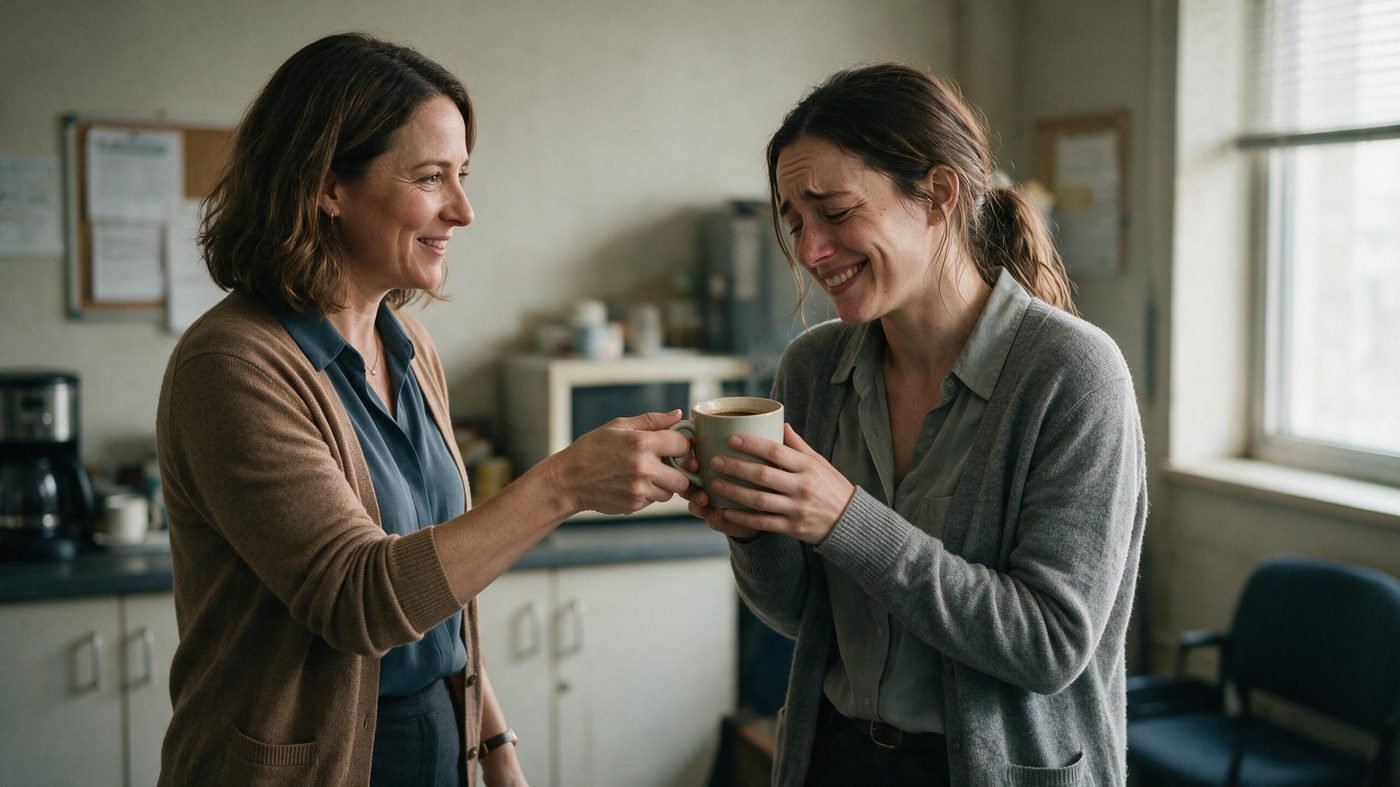
Every workplace has one — the person who remembers your kid's name, covers the last ten minutes of your shift, and never mentions it again.
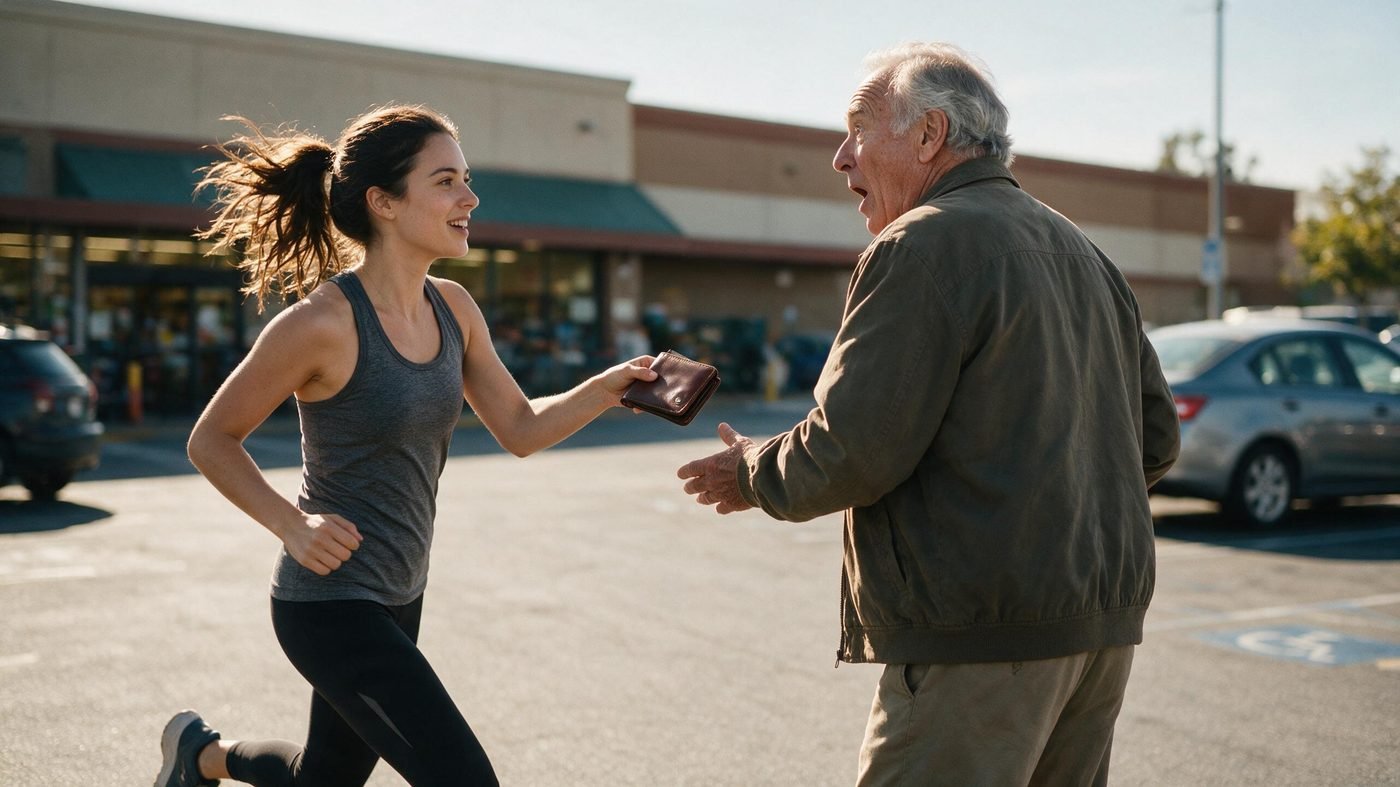
Somewhere between the parking lot and your car, you dropped something. What happens next says more about strangers than any headline ever will.
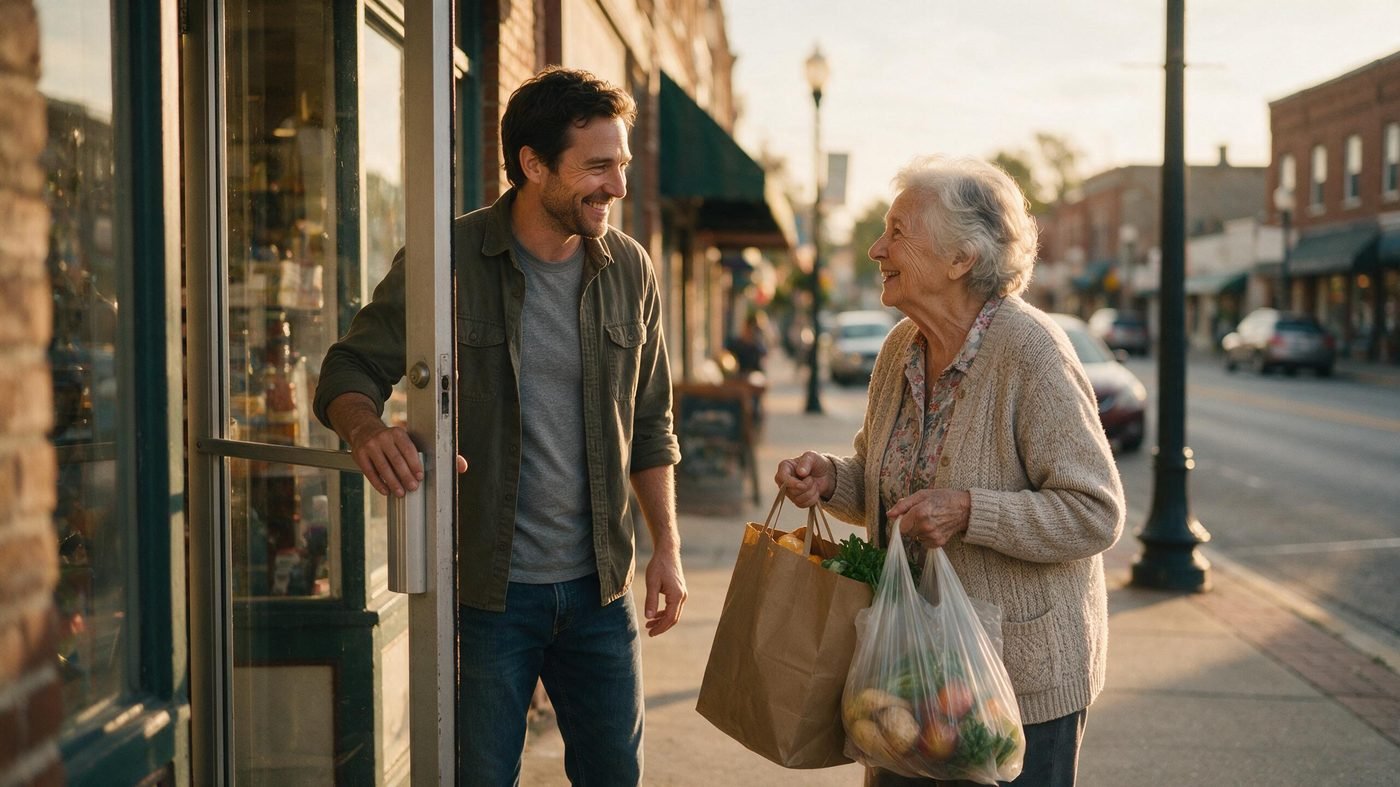
Holding the door a beat longer, waving a car into traffic, letting someone with two items go ahead — the smallest courtesies run on borrowed seconds.
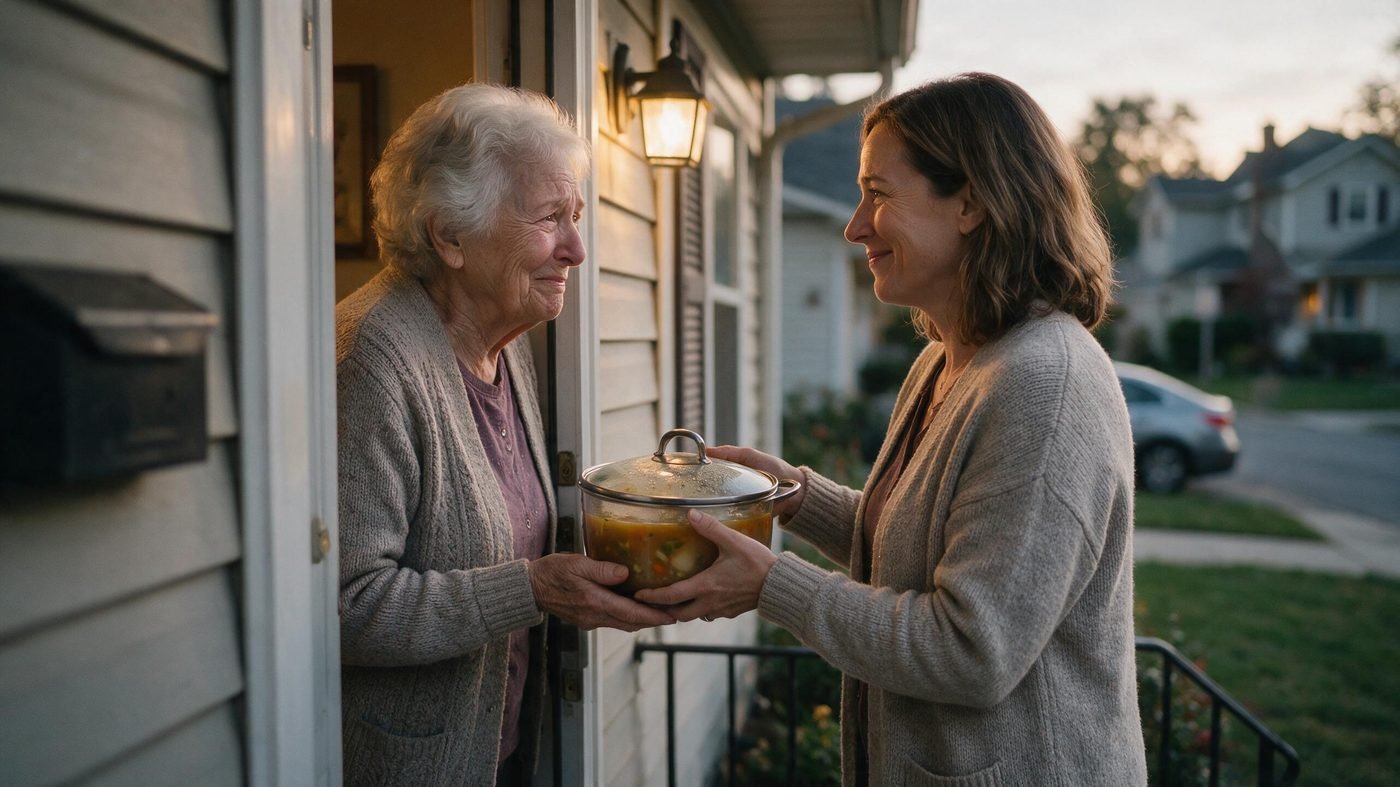
The knock on the door that says nothing more than "I noticed you" may be the most underrated habit a neighborhood can have.
Before the family has even understood the bad news, the food has already started arriving. How neighborhoods organize kindness without a single meeting.
A chair, a railing, and a person willing to sit in view of the street — the simplest neighborhood technology ever invented still works.
A weatherproof box, a "take what you need" sign, and no rules at all — the sidewalk sharing economy runs entirely on trust.
Third places — not home, not work — are where a town keeps its spare belonging. All it costs to claim some is showing up again.
Twice a day, in every weather, someone stands in the road so children don't have to be brave alone. The job title undersells it.
Long after the advice is forgotten, the habits remain — the folded napkins, the saved rubber bands, the way a person greets a hard morning.
Same day, same hour, mostly the same conversation — and that is exactly the point. On the quiet architecture of calling your mother.
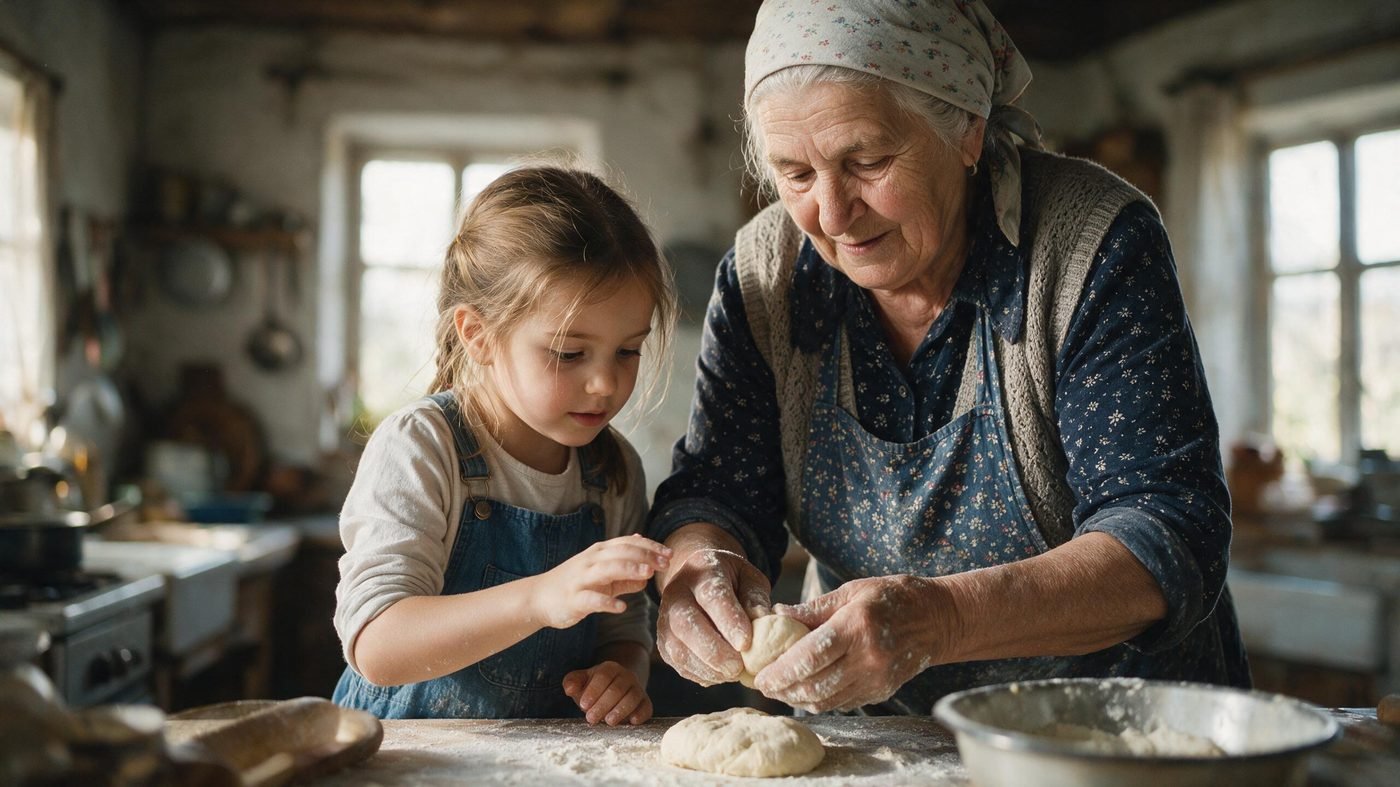
The handwriting is fading and the instructions say things like "enough flour" and "until it looks right." That vagueness turns out to be the inheritance.
For decades you were rivals, then strangers with the same last name. Then the years did something unexpected — they made you the only two left who remember.
In every family album, one picture outranks all the portraits — the accidental one, mid-laugh, mid-dinner, mid-life. Here is why it wins.
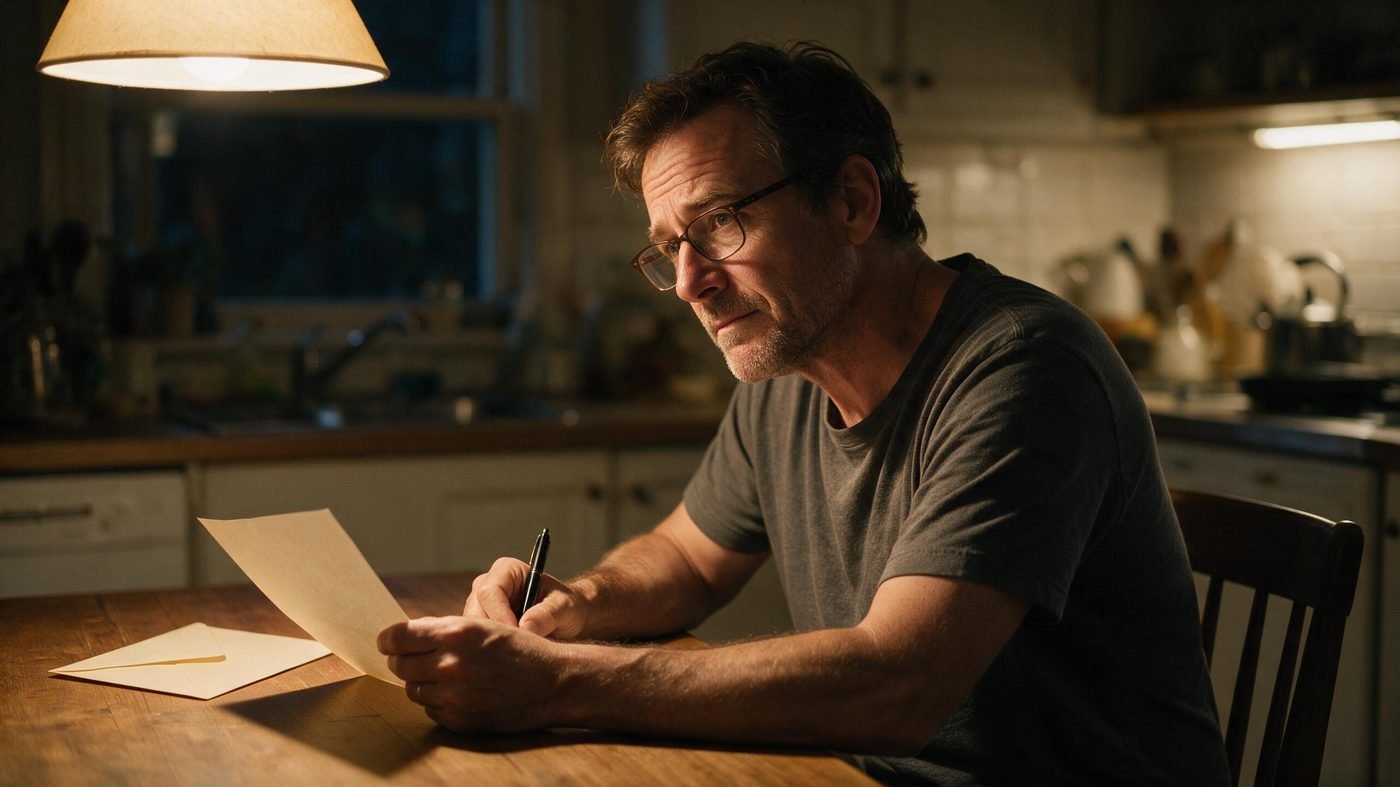
Some apologies take decades to travel a few miles. What matters is not the delay — it is what the words do when they finally land.
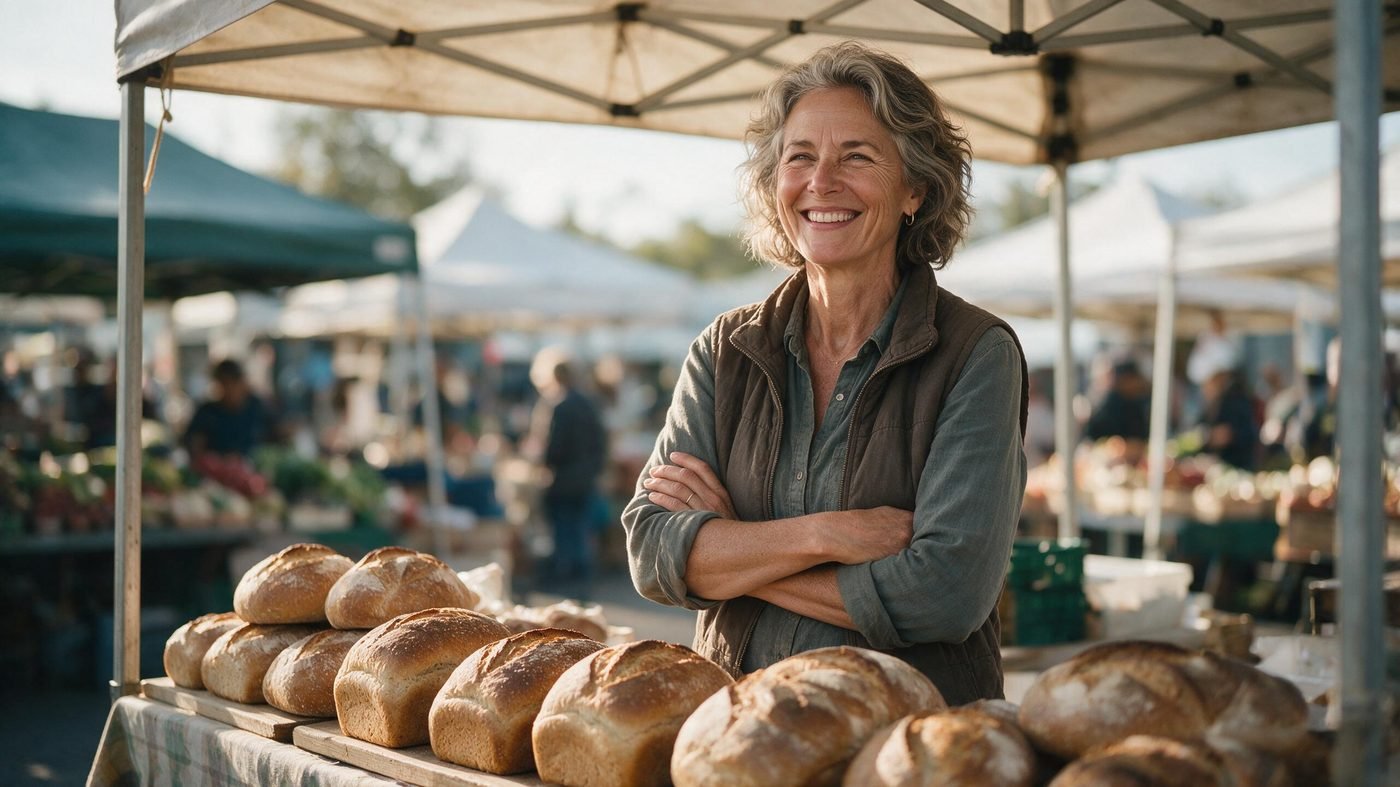
The math of late reinvention looks scary until you count what comes with you — everything you know, everyone you've been.
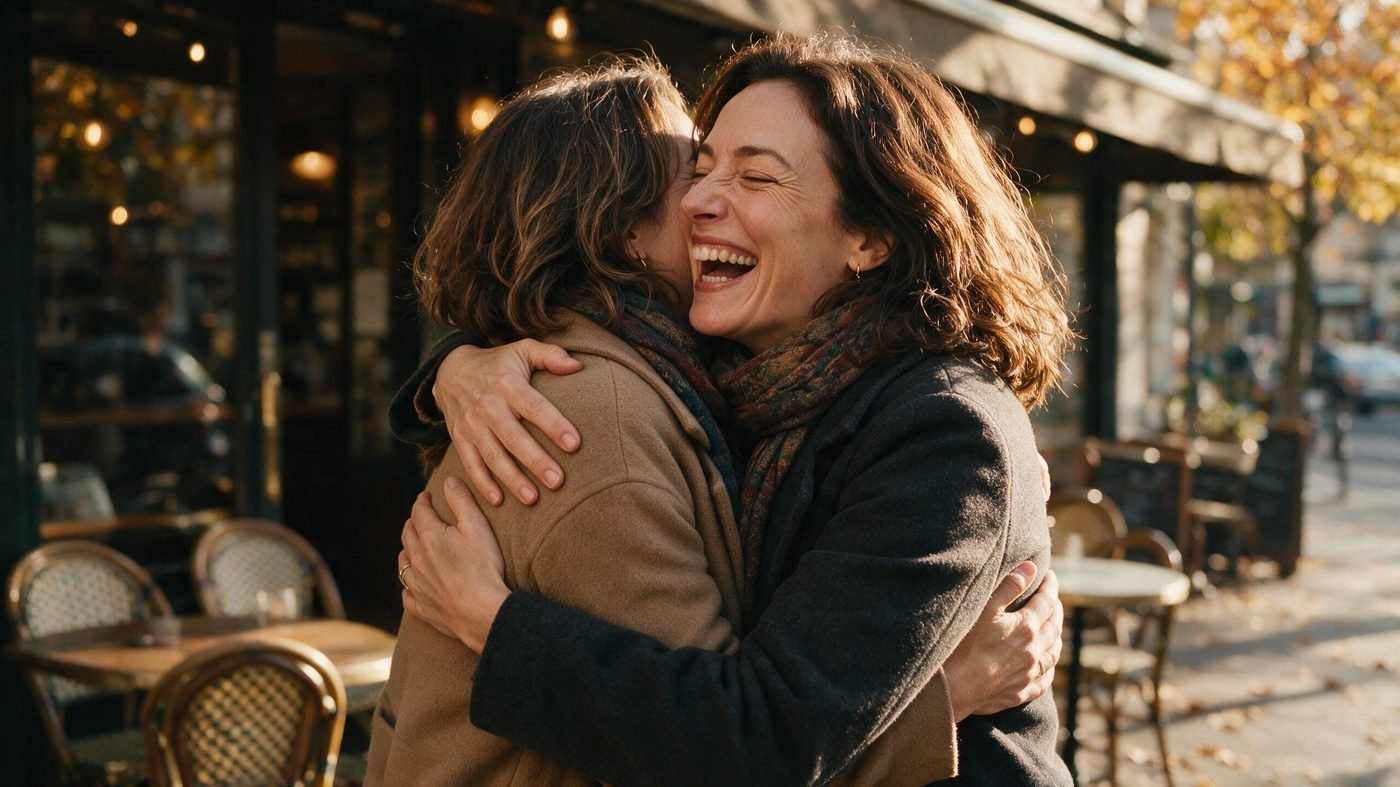
Twenty years of silence, then one message — "I saw something today that made me think of you." Old friendships don't die; they hibernate.
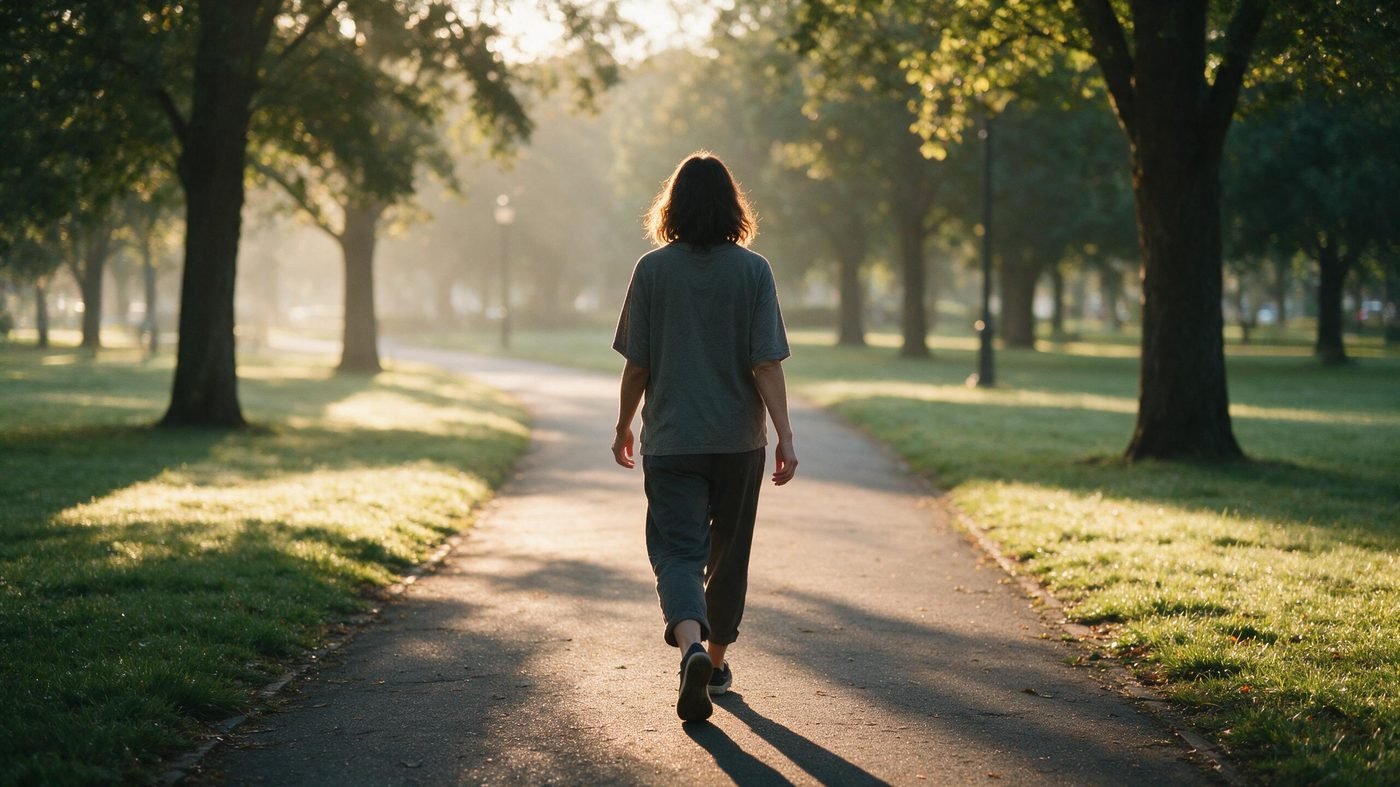
We hand out forgiveness to everyone but the person in the mirror. Why self-mercy is the door all the other second chances are behind.