Why We Remember the Strangers Who Were Kind to Us

Ask almost anyone to tell you about a time a stranger was kind to them, and something remarkable happens. They do not have to think. The story arrives whole, with weather and lighting attached: the woman who paid for their groceries when the card was declined, the trucker who stopped on a freezing highway, the nurse who stayed twenty minutes past the end of her shift just to sit with them. The event may be thirty years old. The details have not aged a day.
Now ask the same person to describe a stranger who was rude to them last month. Most people struggle. The rude encounters — the sighing cashier, the driver who cut them off — blur into a gray, forgettable smear. This asymmetry is strange, because psychologists have long told us the opposite is supposed to be true: bad experiences generally weigh more than good ones. So why do kind strangers get a permanent room in our memory while rude ones get a hallway?
Part of the answer is that kindness from a stranger breaks a script. We expect our mothers to love us and our friends to help us move. There is no script that requires a man in line at a pharmacy to notice you counting change, quietly cover the difference, and leave before you can thank him. When something happens that our story of the world did not predict, the mind flags it, replays it, and files it somewhere deep. Rudeness, sadly, rarely surprises anyone.
There is also the matter of what a kind stranger proves. A favor from a friend says something about your friendship. A favor from a stranger says something about people. In one small moment, an anonymous person votes on the question every one of us quietly carries around — is the world mostly safe or mostly hostile? — and votes in our favor. That vote gets counted for the rest of our lives. Many people can trace a genuine belief, something like "people are basically good," back to two or three specific strangers whose names they never learned.
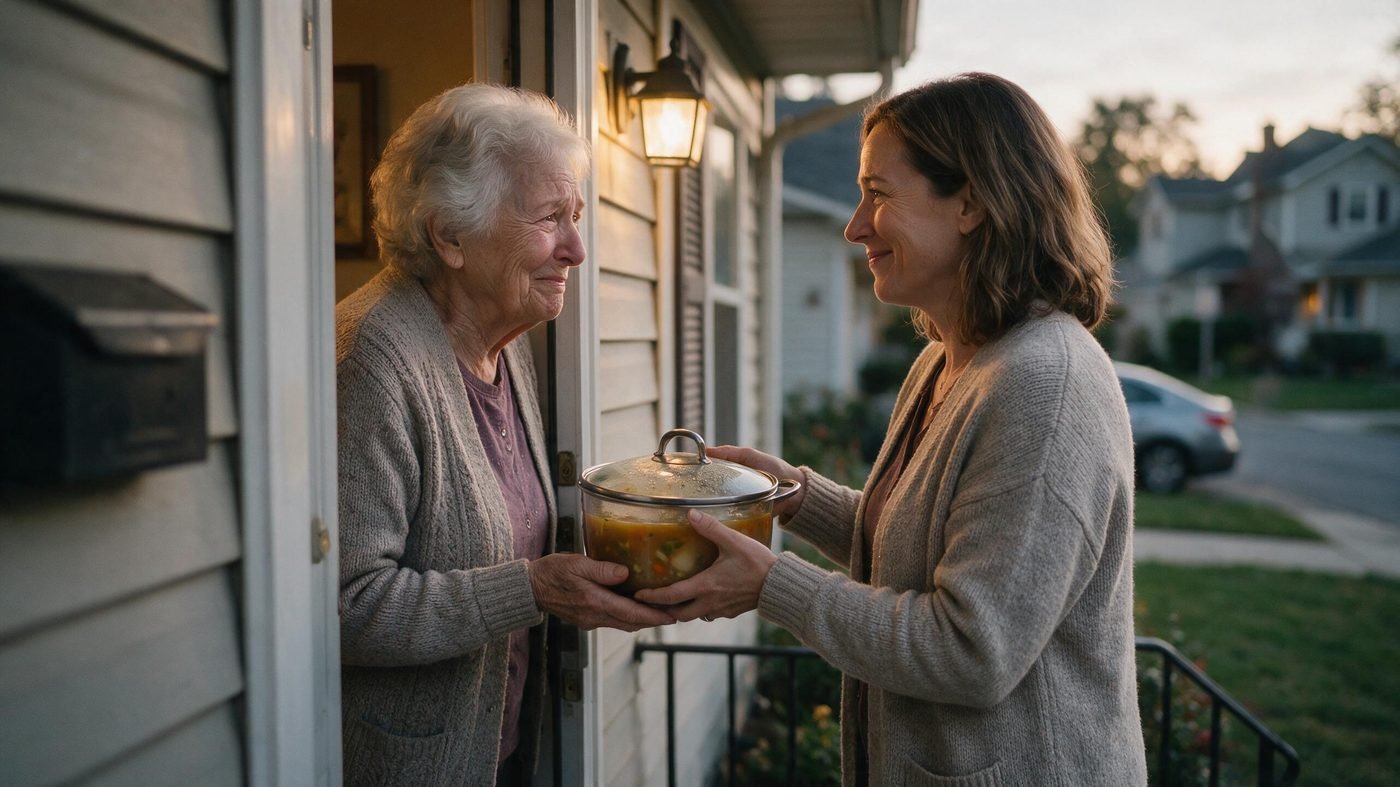
And the memory works in both directions. People who tell these stories almost always add the same confession: "I've never forgotten it, and now I do the same thing for others." The woman whose diner bill was paid in 1994 has been paying for strangers' coffees for thirty years. Kindness from a stranger behaves less like an event and more like a seed — it sits quietly in a person until conditions are right, then produces more of itself, in someone else's memory this time.
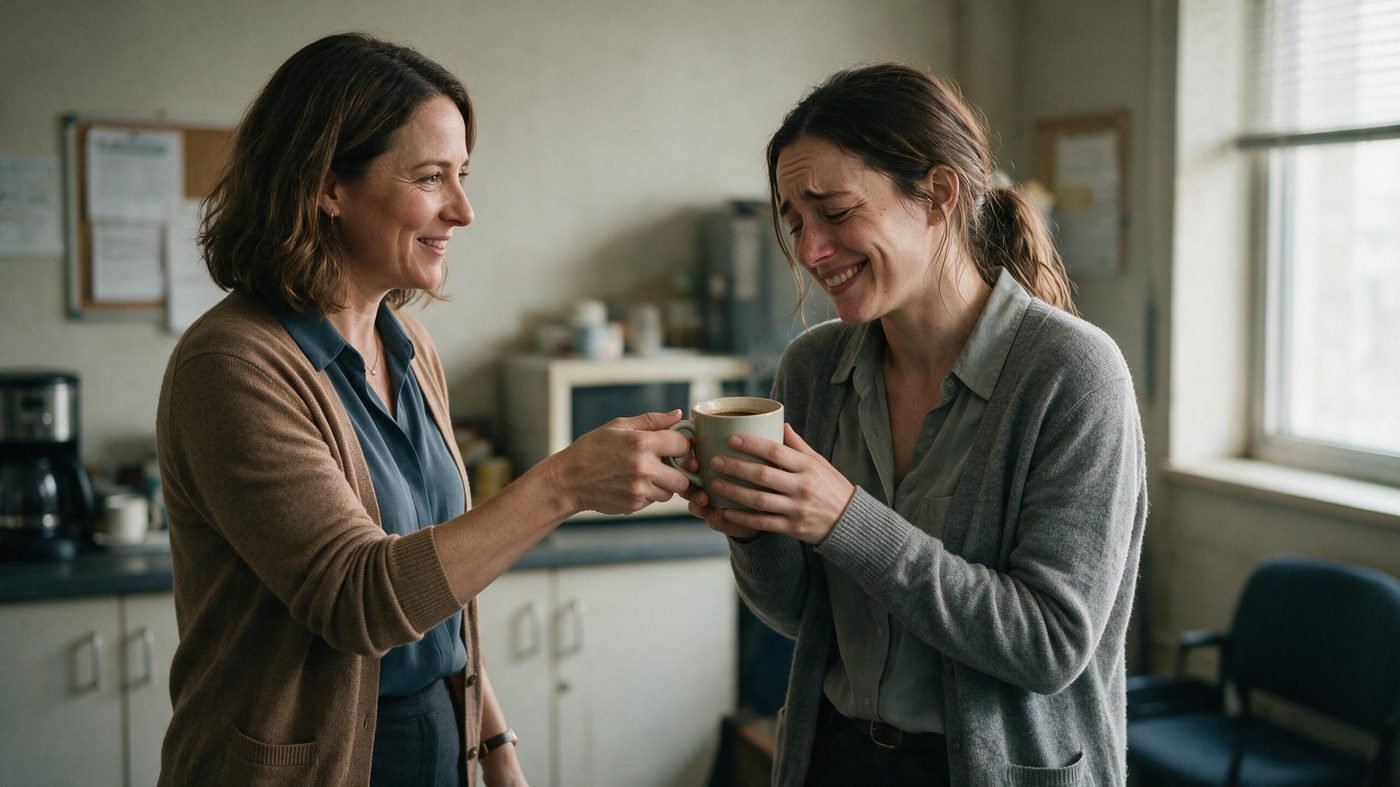
Which suggests something practical, and slightly wonderful. If you want to do good that lasts, you do not need money or a foundation or even a plan. You need to be alert in ordinary places — checkout lines, bus stops, waiting rooms — for the small moment when a stranger's day is quietly going wrong. Whatever you do next will probably take less than a minute. And there is a decent chance a person you will never see again will be describing it, with weather and lighting attached, decades after you have forgotten it ever happened.
That is the strange arithmetic of kindness between strangers: it costs the giver almost nothing and it never stops paying the receiver. Somewhere in your past is proof. You are probably thinking of them right now.